

cropper
Caribbean Streaming Network
  • Home
  • Categories
    • Caribbean
    • Streaming
    • Culture
    • Music
    • News
    • Sports
    • Entertainment
    • Islands
    • Community
    • Global
    • Food
    • Music
November 06.2026
2 Minutes Read

What Grenada's Election Teaches the Caribbean About Power and Public Trust

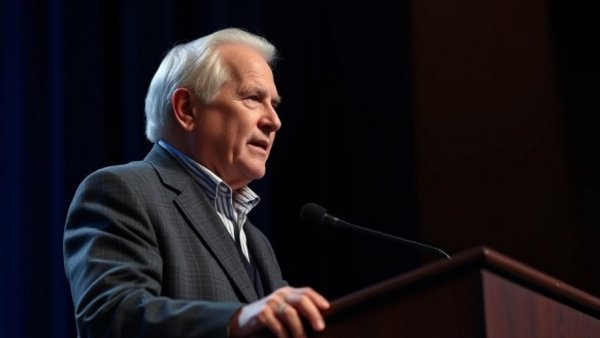
Grenada Election Public Trust: Political rally with leaders on stage, vibrant lighting and crowd.

Electoral Outcomes and Public Trust in Grenada

Grenada’s recent election results serve as a dynamic case study for the Caribbean, where Prime Minister Dickon Mitchell’s National Democratic Congress (NDC) swept to power, claiming 14 of 15 parliamentary seats. But this decisive electoral win, garnering around 61 percent of the popular vote, also raises essential questions: What does true representation look like in such an overwhelming majority, and how can the trust of the electorate be maintained?

The Importance of Accountability Beyond Victory

The remarkable margin by which the NDC has won does not signify a monopoly on Grenadian governance. With over a third of votes going to the New National Party (NNP), there's a pressing duty for the NDC to act responsibly. It needs to engage with all Grenadians, not just its supporters, and deliver real change that is felt in daily life. The impending challenge will be ensuring that political victories transform into tangible benefits for the populace, nurturing the democratic ethos in the process.

Lessons for Neighboring Islands

The echoes of Grenada's electoral dynamics resonate powerfully in nearby St. Kitts and Nevis and Dominica, where upcoming elections are on the horizon. For ruling parties, the message is clear: electoral wins should not lead to complacency. The connection between government actions and public trust is fragile and renewable, akin to a cycle that must be continuously cultivated. In Dominica, for instance, renewing focus on democratic values and inclusive development is paramount as citizens' expectations evolve.

The Role of Opposition: Preparation is Key

On the flip side, the NNP must recalibrate its strategy, actively engaging in community-based initiatives and reestablishing trust with voters—preparation doesn’t happen overnight but through dedicated groundwork. As history shows, opposition parties need not only to contest elections but also to offer credible alternatives, building reputations long before ballots are cast.

Reflecting on Power and Legacy

Through Grenada's electoral results, the Caribbean finds an opportunity to reflect on the deeper implications of power. Ultimately, elections demonstrate who holds authority, yet it’s leadership that determines the legacy left behind. Therefore, the challenge lies in balancing power with accountability, ensuring that the voices of all citizens are heard and valued. As we’ve learned, governments may change, but the integrity of our institutions must stand the test of time.

Culture

2 Views

0 Comments

Write A Comment

*
*
Please complete the captcha to submit your comment.
Related Posts All Posts
11.05.2026

Grenada's Election Unfolds: Will Historic Change Bring a Female Prime Minister?

Update Grenada's Pivotal Election: A Battle for the Future On November 5, 2026, the people of Grenada are casting their votes in a high-stakes general election that could radically shape the future of their nation. The stakes are undeniably high as voters must decide between granting the ruling National Democratic Congress (NDC), led by the charismatic Dickon Mitchell, a historic second term or reviving the New National Party (NNP) under Emmalyn Pierre's leadership. The NDC's prior victory was a remarkable leap for a party that has historically faced setbacks, and now it stands at a crossroads where it could solidify its position as a formidable political force. Wisely, they’ve crafted an engaging campaign, focusing on poignant issues like affordable housing and access to education. At the same time, the NNP is aiming to reclaim its dominance, leveraging the appeal of its track record during two decades in power. The Impact of a First Female Prime Minister Potentially, this election could usher in Grenada’s first woman prime minister if Emmalyn Pierre triumphs. Her rise to power would not only represent a significant historical milestone but could also energize voters looking for progressive change in governance. As she campaigns, the personal stories of her journey resonate, emphasizing the changing tides of political representation. Key Constituencies: St. Mark and St. George North West As the election unfolds, eyes are particularly glued to the St. Mark constituency—a bastion of NNP success for over forty years. Will the former school principal Caris Degannes manage to unseat the entrenched NNP support? Similarly, the struggle for St. George North West, long held by former PM Keith Mitchell, introduces another layer of intrigue. Here, Adrianne Joseph inherits a legacy while facing off against the NDC's Nigel Degale in a crucial demographic. A Diverse Political Landscape In this vibrant landscape of Grenadian politics, the newly emerging Democratic People’s Movement (DPM) adds an interesting twist. Spearheaded by Peter David, the DPM could serve as a spoiler for both major parties, tapping into the electorate's desire for new perspectives and solutions. Encouraging Voter Engagement This election is not merely about choosing a party; it represents an opportunity for citizens of Grenada, Carriacou, and Petite Martinique to shape their futures. With energizing campaigns often revolving around the upbeat rhythms of soca—drawn from the heart of local culture—the election promises to be both a political and cultural event that emphasizes community solidarity. As polls close and results are anticipated, the prevailing sentiment across Grenada will echo one crucial question: what direction do they want their nation to take?

11.04.2026

Darializa Avila Chevalier: Breakthrough for Caribbean Representation in Congress

Update Charting New Waters: Darializa Avila Chevalier Enters Congress The winds of change are blowing through Washington, D.C., and at the forefront is Darializa Avila Chevalier, a remarkable new voice representing New York's 13th Congressional District. With roots firmly planted in the Caribbean, Avila Chevalier has made history by defeating seasoned Congressman Adriano Espaillat in a stunning primary upset and subsequently winning the general election against Republican Jomo Williams. With an impressive 87.5% of the vote, she is set to become the first woman of Dominican descent in Congress, proving that the tides of representation are indeed shifting. From Humble Beginnings to Capitol Hill Born to Dominican immigrant parents in Florida, Avila Chevalier's journey is one of resilience. Her family's struggles and her own early experiences in the Dominican Republic and Venezuela have crafted a narrative that resonates deeply with many voters. Through her education at Columbia University and her advocacy for immigrant rights, she embodies the spirit of empowerment and change. A Voice for the People: Key Policies and Proposals Avila Chevalier isn't just another face in Congress. She brings a democratic socialist perspective that challenges the status quo. Her platform includes bold proposals such as abolishing ICE, advocating for Medicare for All, and addressing corporate influence in politics. With her finger on the pulse of pressing social issues, she emerged as a champion for working-class communities, promising to redirect federal resources where they are most needed. The Impact of Representation Her election is an emblematic shift not just for the Dominican community but for the broader Afro-Latino and immigrant narratives in America. Avila Chevalier's presence in Congress highlights the importance of diverse representation and the need for policies that reflect the realities of marginalized groups. As she prepares to take her seat in January, all eyes will be on Avila Chevalier as she navigates the complexities of Congress. Her stunning victory isn't just a personal achievement; it represents a collective hope for a more equitable and just political landscape.

11.03.2026

King Charles III’s Sorrow Over Slavery: A Step Toward Accountability?

Update A Royal Reflection on a Troubling Legacy During a speech at the Commonwealth Heads of Government Meeting in Antigua, King Charles III expressed deep sorrow over the legacy of the transatlantic slave trade, remarking that it “fills my heart with horror and my soul with the most profound personal sorrow.” While acknowledging this “shameful chapter” in history, he credited Britain's Royal Navy with playing a pivotal role in ending it. Yet, amidst such reflections, he refrained from issuing a formal apology—a point of contention that sparked debate among historians and leaders alike. Heritage of Silence: The Monarchy's Complicated Past Critics, such as Professor Brooke N. Newman, argue that the King’s address lacked crucial context regarding the monarchy's historical involvement in the slave trade, where figures like Elizabeth I endorsed early slave traders. For many, the omission of a direct acknowledgment of this complicity raises questions about sincerity in confronting Britain's colonial past. Newman emphasizes that the Royal Navy's dual role—in both perpetuating and then ending slavery—highlights a need for a more nuanced reckoning with history. A Call for More Than Words As the conversation around reparations and justice for those affected by slavery grows louder, many Caribbean leaders are pushing for stronger actions beyond mere apologies. King Charles remarked on the necessity of working “in modern partnership” to confront historical wrongs, a sentiment echoed by efforts to secure reparations for descendants of enslaved people. However, some critics stress that reparations discussions must be carefully considered to ensure they address the long-standing impacts of slavery genuinely. The Future of Apology and Action As discussions continue at the Commonwealth meeting, the broader implications of speech resonate beyond Antigua. With leaders like UK Prime Minister Andy Burnham expressing regret over slavery, the political landscape is shifting towards acknowledgment of the past. For many Caribbean nations, these developments signal a crucial dialogue about identity, justice, and reconciliation. Sharing Historical Lessons for a Brighter Tomorrow Ultimately, engagement between the Commonwealth nations may lead to education and projects aimed at redressing the impacts of colonialism. The journey toward acknowledging historical injustices is complex and fraught with challenges, but it is a vital step toward healing and unity.

 Caribbean News

Caribbean Streaming Network (CSN) is the premier digital platform bringing the vibrant culture, entertainment, and stories of the Caribbean to the world.

Offering a dynamic mix of original series, films, news, sports, and live events, CSN celebrates the richness and diversity of Caribbean life across every island and diaspora.

From music concerts to culinary showcases, from cricket tournaments to in-depth documentaries, CSN connects audiences with authentic Caribbean experiences like never before.

COMPANY

  • Privacy Policy
  • Terms of Use
  • Advertise
  • Contact Us
  • Menu 5
  • Menu 6

4079524625

AVAILABLE FROM 8AM - 5PM

City, State

Waterway, Kissimmee, FL

ABOUT US

At Caribbean Streaming Network (CSN), we bring the vibrant heartbeat of the Caribbean directly to your screen. Our platform showcases the best in Caribbean news, music, sports, films, and cultural programming, celebrating the spirit, diversity, and creativity of the islands.

Whether you’re from the Caribbean or simply inspired by its beauty, CSN offers a dynamic window into the stories and experiences that define the region. Available worldwide, we connect audiences to the Caribbean anytime, anywhere.

© 2026 CompanyName All Rights Reserved. Address . Contact Us . Terms of Service . Privacy Policy

Terms of Service

Privacy Policy

Core Modal Title

Sorry, no results found

You Might Find These Articles Interesting

T
Please Check Your Email
We Will Be Following Up Shortly
*
*
*