
cropper
Caribbean Streaming Network
  • Home
  • Categories
    • Caribbean
    • Streaming
    • Culture
    • Music
    • News
    • Sports
    • Entertainment
    • Islands
    • Community
    • Global
    • Food
    • Music
November 03.2026
2 Minutes Read

King Charles III’s Sorrow Over Slavery: A Step Toward Accountability?

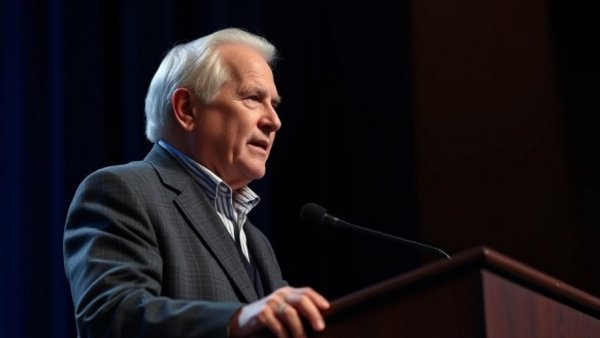
King Charles III speaking about slavery, solemn expression on stage.

A Royal Reflection on a Troubling Legacy

During a speech at the Commonwealth Heads of Government Meeting in Antigua, King Charles III expressed deep sorrow over the legacy of the transatlantic slave trade, remarking that it “fills my heart with horror and my soul with the most profound personal sorrow.” While acknowledging this “shameful chapter” in history, he credited Britain's Royal Navy with playing a pivotal role in ending it. Yet, amidst such reflections, he refrained from issuing a formal apology—a point of contention that sparked debate among historians and leaders alike.

Heritage of Silence: The Monarchy's Complicated Past

Critics, such as Professor Brooke N. Newman, argue that the King’s address lacked crucial context regarding the monarchy's historical involvement in the slave trade, where figures like Elizabeth I endorsed early slave traders. For many, the omission of a direct acknowledgment of this complicity raises questions about sincerity in confronting Britain's colonial past. Newman emphasizes that the Royal Navy's dual role—in both perpetuating and then ending slavery—highlights a need for a more nuanced reckoning with history.

A Call for More Than Words

As the conversation around reparations and justice for those affected by slavery grows louder, many Caribbean leaders are pushing for stronger actions beyond mere apologies. King Charles remarked on the necessity of working “in modern partnership” to confront historical wrongs, a sentiment echoed by efforts to secure reparations for descendants of enslaved people. However, some critics stress that reparations discussions must be carefully considered to ensure they address the long-standing impacts of slavery genuinely.

The Future of Apology and Action

As discussions continue at the Commonwealth meeting, the broader implications of speech resonate beyond Antigua. With leaders like UK Prime Minister Andy Burnham expressing regret over slavery, the political landscape is shifting towards acknowledgment of the past. For many Caribbean nations, these developments signal a crucial dialogue about identity, justice, and reconciliation.

Sharing Historical Lessons for a Brighter Tomorrow

Ultimately, engagement between the Commonwealth nations may lead to education and projects aimed at redressing the impacts of colonialism. The journey toward acknowledging historical injustices is complex and fraught with challenges, but it is a vital step toward healing and unity.
Culture

0 Views

0 Comments

Write A Comment

*
*
Please complete the captcha to submit your comment.
Related Posts All Posts
11.02.2026

Caribbean American Voters Pose Key Influence in 2026 Midterms

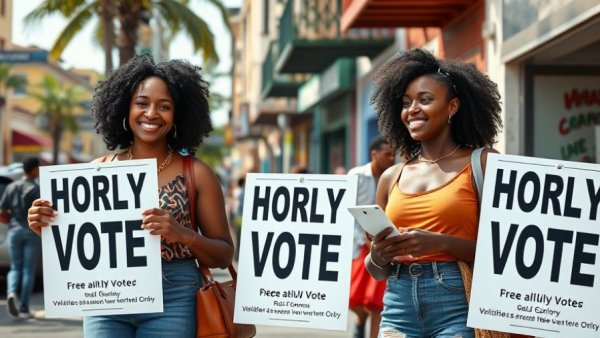
Update Caribbean Voters: A Hidden Power in U.S. Elections As the 2026 midterm elections loom, a significant force is quietly gaining momentum in the electorate—Caribbean American voters. While mainstream political narratives often overlook this diverse group, they actually hold a substantial and influential voting potential. Caribbean Americans include a mix of Cuban, Haitian, Jamaican, Dominican, Guyanese, and Trinidadian communities, each with its unique history and political inclination. In total, these groups contribute to a population of over 5.3 million Caribbean immigrants residing in the U.S., reflecting about one in every 10 immigrants. The Challenge of Representation The complexity lies in the fact that there is no singular voting bloc for Caribbean Americans. According to the Migration Policy Institute, approximately 90% of Caribbean immigrants hail from just four countries: Cuba, the Dominican Republic, Jamaica, and Haiti. Yet, their experiences diverge widely, shaped by various factors, from family reunification efforts to political asylum. Despite this, their political preferences are frequently amalgamated into broad categories such as Black or Latino, obscuring their unique voices in national polling and campaigns. Concentration Precedes Power In strategic states like New York and Florida, the concentration of Caribbean populations offers a significant opportunity for voter turnout that could influence local elections. As observed in places like Queens and the Bronx, dedicated organizers are mobilizing and connecting these voters to the electoral process. For instance, the Caribbean Equality Project aims to increase voter turnout by directly engaging with communities, aiming to knock on over 3,500 doors in Caribbean neighborhoods. The Road Ahead While national polls may fail to capture the essence of Caribbean American voters, their local significance cannot be understated. If organizers and leaders continue their concerted efforts, the 2026 midterms could very well reshape political landscapes in areas relying heavily on Caribbean populations. For the Caribbean community, this developing narrative means that every vote truly counts—illustrating the power of grassroots engagement and dedicated advocacy. Caribbean Americans are not just participants; they are key players in the shaping of future elections.

10.31.2026

King Charles III's Visit Overshadowed by Controversy Surrounding Opposition Leader Azruddin Mohamed

Update The King, the Opposition, and a Stirring Controversy As King Charles III wrapped up his first visit to Guyana in 26 years, the nation found itself entwined in a political whirlwind with the arrest of Opposition Leader Azruddin Mohamed. While the monarch praised Guyana’s environmental initiatives, local affairs took a chaotic turn when Mohamed was remanded to prison on a cybercrime charge related to leaked surveillance footage. The Charge That Sparked Outrage Mohamed is accused of paying a police constable GY$800,000 for accessing and transferring footage from the Guyana Police Force’s Command Centre. This footage is allegedly tied to a shooting incident involving Mohamed himself, which he labeled an attempted assassination. The political implications of this charge have ignited public protests, with supporters demanding his release while detractors call into question the integrity of his claims. Press Freedom or Political Control? The case has sparked concerns over media freedom as well, with reports of journalists being barred from court proceedings. One has to wonder: is this a mere administrative oversight, or perhaps a sign of deeper tensions between the press and government? The exclusion of media coverage only adds to the political intrigue surrounding Mohamed’s situation. King Charles’ Visit: A Royal Backdrop The timing of Mohamed's remand coincided with a momentous royal visit, providing an ironic backdrop to this unfolding drama. While the King was busy meeting Indigenous leaders and discussing conservation efforts, protests erupted just blocks away, highlighting the stark divide in the nation’s political climate. It’s a striking testament to how global events can interact with local narratives. What’s Next for Guyana? The evolution of this situation will likely have lasting ramifications. As protests elevate, the balance of media access, political freedom, and governmental authority becomes even more crucial. The opposition is prepared to mount a legal challenge against the decision to deny bail, setting the stage for a riveting chapter in Guyanese politics. The world will be watching closely to see how this dynamic unfolds, especially in light of the monarchy’s increasing interest in regional cooperation.

10.30.2026

King Charles III's Visit to Guyana: A Royal Ceremony Amidst Political Protests

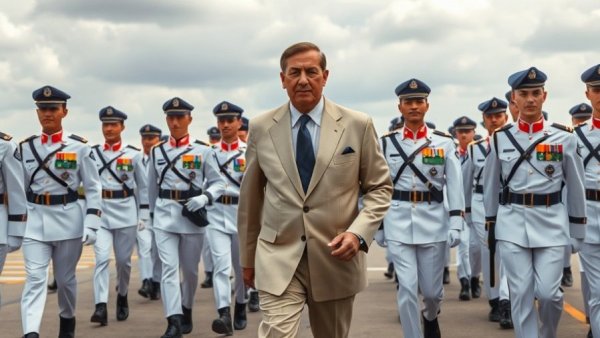
Update King Charles III's Royal Return to Guyana On October 29, 2026, King Charles III touched down in Guyana, marking his first visit in 26 years. His arrival was notably ceremonial, welcomed by President Dr. Mohamed Irfaan Ali at the Cheddi Jagan International Airport, where he inspected a Guard of Honour formed by the Guyana Defence Force. This visit also celebrates the 60th anniversary of diplomatic relations between Guyana and the United Kingdom. Political Tensions Amidst Royal Ceremonies However, the serene royal welcome was mere backdrop to an undercurrent of political unrest. As King Charles made his way to State House, tensions erupted in Georgetown where protesters gathered, expressing their discontent over the detention of Opposition Leader Azruddin Mohamed. With chants of "Free our leader now" echoing in the air, the struggle for justice and reparations for the descendants of enslaved Africans became the focal point of the demonstrations. The Clamor for Reparations The protesters not only demanded Mohamed's immediate release but also called for reparations, highlighting the enduring legacy of colonialism. This was underscored by accusations against Senior Superintendent Prem Narine of the Guyana Police Force, whom supporters allege is involved in an assassination attempt against Mohamed. This complex political landscape made King Charles's royal visit all the more poignant, as it inadvertently spotlighted the lingering issues of race and justice that remain unresolved in Guyanese society. A Confrontation of Past and Present As the royal representative of a nation deeply intertwined with Guyana's colonial past, King Charles's visit symbolizes a critical moment for reflection on historical injustices. The public's fervor reflects a nation grappling with its identity as it seeks a balance between a celebratory relationship with the monarchy and urgent calls for accountability and reparative justice. Looking Forward: Future Diplomatic Engagements The King’s visit is part of a larger Caribbean tour, which includes an attendance at the Commonwealth Heads of Government Meeting in Antigua. This diplomatic engagement could be pivotal in opening channels for addressing the pressing issues of reparations. A constructive dialogue is essential as Caribbean nations navigate their post-colonial narratives while fostering relationships with former colonial powers. In this light, King Charles's arrival in Guyana serves not only as a reminder of shared history but as a catalyst for ongoing discourse on equality and justice. As the world watches this royal visit unfold, it serves as an essential moment for understanding the complex interplay between legacy and new beginnings.

 Caribbean News

Caribbean Streaming Network (CSN) is the premier digital platform bringing the vibrant culture, entertainment, and stories of the Caribbean to the world.

Offering a dynamic mix of original series, films, news, sports, and live events, CSN celebrates the richness and diversity of Caribbean life across every island and diaspora.

From music concerts to culinary showcases, from cricket tournaments to in-depth documentaries, CSN connects audiences with authentic Caribbean experiences like never before.

COMPANY

  • Privacy Policy
  • Terms of Use
  • Advertise
  • Contact Us
  • Menu 5
  • Menu 6

4079524625

AVAILABLE FROM 8AM - 5PM

City, State

Waterway, Kissimmee, FL

ABOUT US

At Caribbean Streaming Network (CSN), we bring the vibrant heartbeat of the Caribbean directly to your screen. Our platform showcases the best in Caribbean news, music, sports, films, and cultural programming, celebrating the spirit, diversity, and creativity of the islands.

Whether you’re from the Caribbean or simply inspired by its beauty, CSN offers a dynamic window into the stories and experiences that define the region. Available worldwide, we connect audiences to the Caribbean anytime, anywhere.

© 2026 CompanyName All Rights Reserved. Address . Contact Us . Terms of Service . Privacy Policy

Terms of Service

Privacy Policy

Core Modal Title

Sorry, no results found

You Might Find These Articles Interesting

T
Please Check Your Email
We Will Be Following Up Shortly
*
*
*