


cropper
Caribbean Streaming Network
  • Home
  • Categories
    • Caribbean
    • Streaming
    • Culture
    • Music
    • News
    • Sports
    • Entertainment
    • Islands
    • Community
    • Global
    • Food
    • Music
August 06.2026
1 Minute Read

US Sanctions Disrupt Cuban Arms Import Pathways: A Hope for Change

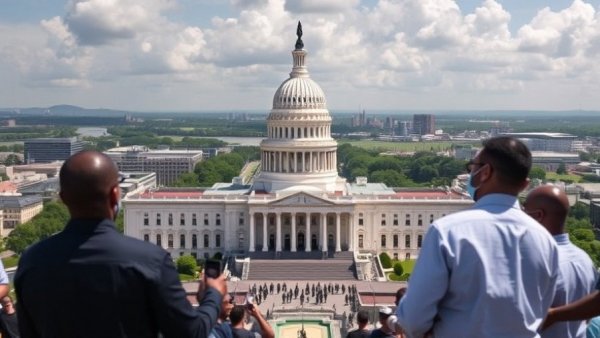
Cuban regime arms imports sanctions not related image, blue and pink shopping bags logo.

US Targets Cuban Armor Avenues

The United States has recently taken significant steps to limit the military capabilities of the Cuban regime by sanctioning entities linked to Cuba's arms imports and its foreign military cooperation. The sanctions aim to curtail support channels that enhance the regime's ability to acquire military resources, thereby tightening the international containment of Cuba's militant initiatives.

Why It Matters

This move by the US government is part of a larger strategy to promote stability and democracy within the region. By disrupting arms imports, the US hopes to weaken the government's oppressive measures against its own people, creating a more favorable environment for human rights and political freedom. The action reflects ongoing concerns about the Cuban government's collaboration with other nations, particularly those with less democratic values, which can exacerbate regional tensions and undermine democratic movements.

Connecting the Dots

The sanctions not only impact the Cuban regime but also serve as a reminder to other nations about the risks associated with supporting repressive governments. As global awareness around human rights issues continues to rise, these sanctions spotlight the importance of collective accountability in promoting democratic principles and governance.

Conclusion: Opportunities Ahead

By rallying international support against arms trade to oppressive regimes, the US sanctions could catalyze a shift towards a more democratic future in Cuba. This presents an opportunity for community engagement and support from the diaspora and international allies advocating for meaningful change.
Global

12 Views

0 Comments

Write A Comment

*
*
Please complete the captcha to submit your comment.
Related Posts All Posts
11.06.2026

What Will A New Congress Mean For Caribbean Nations Moving Forward?

Update The Changing Political Landscape and Its Impact The recent midterm elections in the United States changed the political balance in Washington as the Democrats secured control of both the House of Representatives and the Senate. For Caribbean nations, this shift sparks curiosity about the implications for their security, economies, and international relationships. However, while Congress may influence the execution of foreign policy, the core priorities are expected to remain intact. Understanding the Continuity in Foreign Policy The new Congress will have a role in legislation, appropriating funds, and confirming presidential appointments. Yet, President Trump continues to wield substantial authority over foreign relations, immigration, and trade. His ability to enact executive orders without congressional approval allows him to maintain a hands-on approach to international affairs, including relations with Latin America and the Caribbean. Consequently, the core interests represented in the administration’s foreign policy, particularly under the “Trump Corollary” to the Monroe Doctrine, are likely to continue shaping U.S. engagements with Caribbean nations. Key U.S. Priorities in the Caribbean Among the administration's focus areas are migration management, combating narcotics trafficking, and maintaining strategic relationships within the region. These interests guide a variety of engagements with Caribbean states that encompass more than just diplomacy. The region's ports, energy infrastructure, and telecommunications sectors hold strategic importance, making it essential for Caribbean leaders to navigate these waters carefully to ensure retention of U.S. engagement. The Economic Ties Between the U.S. and the Caribbean Caribbean nations also have significant economic roles, being important trading partners for the United States. In 2025, CARICOM countries' purchases from the U.S. are expected to help sustain a trade surplus of around $7 billion. This economic interdependency means that the U.S. not only benefits from Caribbean resources but also must consider the implications of tariffs on its goods affecting Caribbean competitiveness—a key aspect for both sides! Shared Opportunities for Mutual Benefits The close relationships formed between the U.S. and the Caribbean can yield tangible benefits for both sides. CARICOM nations, with their valuable markets and rich resources, provide opportunities for U.S. investments and commercial ties. This dynamic relationship is critical as American businesses seek to secure supply chains that are closer to home. By accurately understanding these intersections of interest, Caribbean leaders can foster dialogue that benefits both American and regional objectives. A Forward-Thinking Diplomatic Strategy As the new Congress prepares to dive into their agendas, it is pivotal for Caribbean countries to focus on engaging with U.S. representatives to shape discussions effectively. Establishing and highlighting a common ground while advocating for their development needs ensures a balanced approach towards mutual aid and understanding. In conclusion, while the change in Congress may set the stage for policy discussions, it is likely that many of the central themes concerning U.S.-Caribbean relations will stay the same. However, by seeking to understand and engage with these policies proactively, Caribbean nations can continue to promote their interests on an international level.

11.06.2026

How Fuel Price Shock Impacts Developing Economies: A Closer Look

Update Understanding the Fuel Price Crisis in Developing Economies Fuel prices have skyrocketed globally, but the impact is felt most acutely in developing economies. Recent data from UNCTAD reveals that countries like Nigeria and Myanmar have seen fuel costs rise dramatically—diesel prices jumped by 83% in Nigeria, compared to merely 9% in Ireland. Such disparities highlight the local factors that exacerbate the pain at the pump, including taxes, subsidies, and currency values. Economic Ripple Effects of High Fuel Prices The surge in oil prices has broader implications than just higher prices at the pump. For households, the combined effect of rising fuel prices can diminish purchasing power significantly. Research indicates that a modest increase of 25 cents per litre can lead to a drop of over 5% in household purchasing power. In countries heavily reliant on fuel imports, such as Cabo Verde and Lebanon, the economic toll of rising fuel costs restricts the ability to import essentials like food and medicine, thus intensifying the cost-of-living crisis. The Road to Renewable Energy To mitigate future shocks and improve resilience against volatile fuel prices, UNCTAD advocates for a shift towards renewable energy sources. Renewables such as solar and wind not only provide a sustainable alternative but also offer cost advantages—over 90% of the time, they are cheaper than new fossil fuel options. Investing in renewable infrastructures can provide much-needed stability to economies that are currently susceptible to global energy market fluctuations. As the world navigates this energy crisis, focusing on increasing renewable energies could not only alleviate immediate financial burdens on developing nations but also fortify them against future economic shocks. Investing in and diversifying energy supplies may ultimately lead to a more sustainable future for all.

11.04.2026

Strengthening Bilateral Relations: What Barbados and the UK Can Achieve Together

Update Building Bridges: Barbados and the UK Strengthen Ties In a recent meeting between Barbados' Minister of Foreign Affairs, Senator Christopher Sinckler, and Simon Mustard, the UK High Commissioner to Barbados, the topic of strengthening bilateral relations was at the forefront. Senator Sinckler emphasized the importance of developing strategic partnerships that enable Barbados to overcome economic challenges and boost its growth. Addressing Economic Challenges Senator Sinckler acknowledged the pressing issues Barbados faces, including the international climate agenda and rising costs related to food and fuel. He articulated that the realities of limited national budgets necessitate creative solutions, such as increased grant funding and improved financing options. As a small island nation, Barbados must reform its systems to expand its tax base, which is integral for addressing fiscal demands and ensuring sustainable economic operations. Opportunities for Collaboration One of the pivotal points of discussion between the officials was fostering collaborations that promote oil exploration, agricultural development, and enhanced access to international markets. Senator Sinckler stressed that meaningful dialogue is essential for building a framework that benefits both nations, particularly in light of ongoing global economic instability. Importance of Cultural Connections High Commissioner Mustard highlighted the rich cultural and historical ties between Barbados and the UK, suggesting that these connections could significantly enhance the tourism industry in the Caribbean. By leveraging cultural heritage, both countries can create an environment that supports tourist activity beyond peak seasons, offering a sustainable avenue for economic growth. Seeking Innovative Solutions Despite global difficulties in achieving reasonable economic growth, Mustard pointed out that the UK is eager to invest in innovative projects in Barbados. The UK’s commitment to smart diplomacy and collaborative approaches could pave the way for real progress and mutual benefits. Much like the Caribbean works towards its vision for a sustainable future, international cooperation will be paramount in finding solutions to pressing issues such as climate change. The Way Forward As Barbados’ diplomatic relationship with the UK continues to evolve, both countries have the opportunity to work together on various fronts aimed at addressing climate finance, promoting regional integration, and achieving sustainable development goals. Ultimately, the success of this partnership will hinge on open communication and a shared commitment to overcome challenges together. This collaboration not only reinforces the ties that bind them but also positions Barbados as a significant player in shaping its future amidst global complexities.

 Caribbean News

Caribbean Streaming Network (CSN) is the premier digital platform bringing the vibrant culture, entertainment, and stories of the Caribbean to the world.

Offering a dynamic mix of original series, films, news, sports, and live events, CSN celebrates the richness and diversity of Caribbean life across every island and diaspora.

From music concerts to culinary showcases, from cricket tournaments to in-depth documentaries, CSN connects audiences with authentic Caribbean experiences like never before.

COMPANY

  • Privacy Policy
  • Terms of Use
  • Advertise
  • Contact Us
  • Menu 5
  • Menu 6

4079524625

AVAILABLE FROM 8AM - 5PM

City, State

Waterway, Kissimmee, FL

ABOUT US

At Caribbean Streaming Network (CSN), we bring the vibrant heartbeat of the Caribbean directly to your screen. Our platform showcases the best in Caribbean news, music, sports, films, and cultural programming, celebrating the spirit, diversity, and creativity of the islands.

Whether you’re from the Caribbean or simply inspired by its beauty, CSN offers a dynamic window into the stories and experiences that define the region. Available worldwide, we connect audiences to the Caribbean anytime, anywhere.

© 2026 CompanyName All Rights Reserved. Address . Contact Us . Terms of Service . Privacy Policy

Terms of Service

Privacy Policy

Core Modal Title

Sorry, no results found

You Might Find These Articles Interesting

T
Please Check Your Email
We Will Be Following Up Shortly
*
*
*