

The Changing Political Landscape and Its Impact
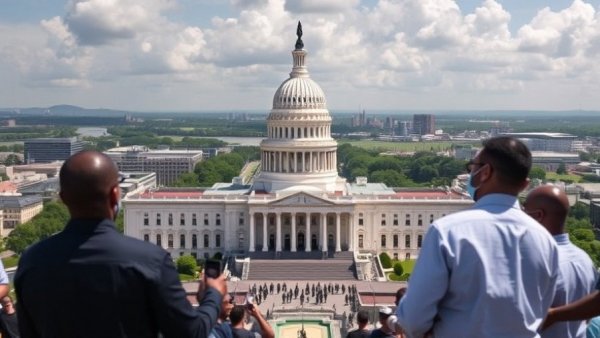
The recent midterm elections in the United States changed the political balance in Washington as the Democrats secured control of both the House of Representatives and the Senate. For Caribbean nations, this shift sparks curiosity about the implications for their security, economies, and international relationships. However, while Congress may influence the execution of foreign policy, the core priorities are expected to remain intact.
Understanding the Continuity in Foreign Policy
The new Congress will have a role in legislation, appropriating funds, and confirming presidential appointments. Yet, President Trump continues to wield substantial authority over foreign relations, immigration, and trade. His ability to enact executive orders without congressional approval allows him to maintain a hands-on approach to international affairs, including relations with Latin America and the Caribbean. Consequently, the core interests represented in the administration’s foreign policy, particularly under the “Trump Corollary” to the Monroe Doctrine, are likely to continue shaping U.S. engagements with Caribbean nations.
Key U.S. Priorities in the Caribbean
Among the administration's focus areas are migration management, combating narcotics trafficking, and maintaining strategic relationships within the region. These interests guide a variety of engagements with Caribbean states that encompass more than just diplomacy. The region's ports, energy infrastructure, and telecommunications sectors hold strategic importance, making it essential for Caribbean leaders to navigate these waters carefully to ensure retention of U.S. engagement.
The Economic Ties Between the U.S. and the Caribbean
Caribbean nations also have significant economic roles, being important trading partners for the United States. In 2025, CARICOM countries' purchases from the U.S. are expected to help sustain a trade surplus of around $7 billion. This economic interdependency means that the U.S. not only benefits from Caribbean resources but also must consider the implications of tariffs on its goods affecting Caribbean competitiveness—a key aspect for both sides!
Shared Opportunities for Mutual Benefits
The close relationships formed between the U.S. and the Caribbean can yield tangible benefits for both sides. CARICOM nations, with their valuable markets and rich resources, provide opportunities for U.S. investments and commercial ties. This dynamic relationship is critical as American businesses seek to secure supply chains that are closer to home. By accurately understanding these intersections of interest, Caribbean leaders can foster dialogue that benefits both American and regional objectives.
A Forward-Thinking Diplomatic Strategy
As the new Congress prepares to dive into their agendas, it is pivotal for Caribbean countries to focus on engaging with U.S. representatives to shape discussions effectively. Establishing and highlighting a common ground while advocating for their development needs ensures a balanced approach towards mutual aid and understanding.
In conclusion, while the change in Congress may set the stage for policy discussions, it is likely that many of the central themes concerning U.S.-Caribbean relations will stay the same. However, by seeking to understand and engage with these policies proactively, Caribbean nations can continue to promote their interests on an international level.






Write A Comment