

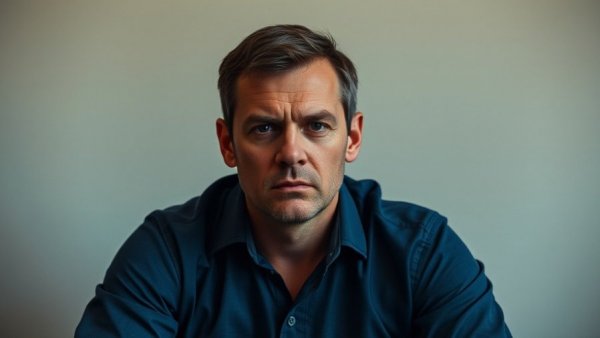
Inside the Walls of Lusignan: Azruddin Mohamed's Reality
Facing the relentless grind of life in Lusignan Prison, Azruddin Mohamed, the recently imprisoned opposition leader in Guyana, has given a chilling description of his environment, dubbing it “half way to hell.” Speaking anonymously during a virtual court appearance, he shared his harrowing experience within Building 5, detailing oppressive conditions that many would find hard to fathom.
The Dire Conditions Unveiled
Mohamed's accounts of living in a maximum-security block illuminate stark realities. He speaks of an unbearable heat, describing his cell as a “furnace,” devoid of any fan. Coupled with constant lighting that renders sleep nearly impossible, these conditions can wear down even the strongest spirit. With nearly 24 hours of lockdown each day, Mohamed claims that inmates are permitted only a scant 10 minutes for bathing—a routine that feels more like a prison than a home.
Isolation and Dehumanization
The isolation is profound. Mohamed reports an alarming lack of connection to the outside world—family visits are restricted to just 20 minutes weekly under watchful eyes, leaving no room for meaningful interaction. Meals are described in a bitter tone: delivered through a mere slot, reminiscent of animal feeding rather than genuine care. His plea echoes a sense of despair that resonates deeply.
Call for Solidarity
Targeting his call for justice, Mohamed urges international entities—like the U.S. Embassy and Human Rights Watch—to monitor his plight. His message transcends personal suffering; it highlights a broader issue regarding human rights and the treatment of political figures in incarceration. In contrast, the Guyana Prison Service disputes his claims, asserting that he has been treated according to standard operating protocols aligned with international human rights guidelines.
What Lies Ahead
As Mohamed awaits the next chapter of his legal battle under charges stemming from the Cybercrime Act, he remains hopeful for improved conditions and fair treatment. His story is not just about his situation but raises vital questions about the nature of justice and humanity in prisons worldwide.







Write A Comment