

cropper
Caribbean Streaming Network
  • Home
  • Categories
    • Caribbean
    • Streaming
    • Culture
    • Music
    • News
    • Sports
    • Entertainment
    • Islands
    • Community
    • Global
    • Food
    • Music
August 27.2026
2 Minutes Read

Haiti's Kenscoff Attack Highlights the Need for Urgent Action

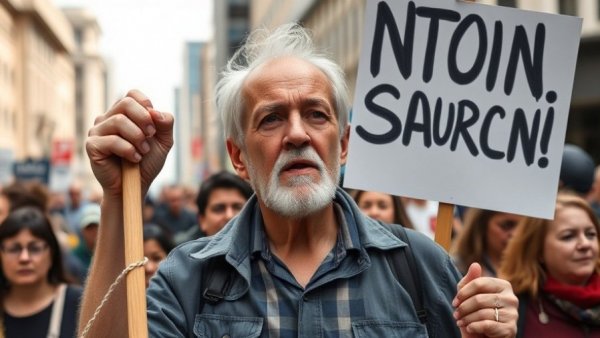
Haiti gang violence concept image with nature and shopping elements

Understanding the Pain in Kenscoff: A Community Under Siege

In the serene hills of Kenscoff, once a refuge for weary residents of Port-au-Prince, events have taken a catastrophic turn. On the night of August 23, 2026, the community faced what is now being labeled one of the worst gang attacks in recent history. The violence claimed at least 47 lives, left over 22 others injured—including innocent children—and saw more than 50 individuals abducted. This distressing incident serves as yet another grim reminder of Haiti's ongoing struggle with escalating gang violence.

Pledges and Promises: A Harsh Reality

Despite international pledges and calls for action, many Haitians remain unconvinced that words suffice in addressing their plight. United Nations representatives condemned the Kenscoff massacre, calling for justice and accountability. However, condemnation without meaningful action leaves the community feeling abandoned. The mayor of Kenscoff, Jean Massillon, highlighted that warning signs were visible days before the attack, yet no significant protective measures were implemented.

Rise of Gang Violence: A National Crisis

The attack in Kenscoff is not an isolated incident but part of a troubling trend. Recent United Nations reports indicate a staggering rise in violence throughout Haiti, with over 1,408 fatalities and a rising number of kidnappings from April to June of the same year. Such figures paint a grim picture of a nation under siege, where the security landscape has crumbled, and communities live in constant fear.

The Role of Security Forces: A Deeply Flawed Response

Questions surrounding the efficacy of Haitian security forces have intensified in light of these events. Reports reveal that nearly 40% of the casualties during this period resulted from security operations against gang activities, raising concerns about the methods employed to control violence. Tragically, many victims were innocent civilians—children caught in the crossfire of a badly managed security response.

The Need for International Action and Accountability

With international organizations falling short in delivering on their promises of assistance, experts believe a new approach is critical. Some advocate for the establishment of a dedicated international force to support Haiti's beleaguered security situation. Others call for improving local police capabilities through training and resources. Regardless of the approach, many agree that action beyond mere rhetoric is necessary to change the trajectory of violence in Haiti.

A Call to the International Community

The chilling events in Kenscoff serve as a wake-up call for the international community. Support must translate into real action—tangible resources delivered promptly and effectively to those in need. We must study this crisis, not just as a distant affair but as a call to provide compassionate support and intervention to a nation in deep distress.

As we reflect on the devastation of Kenscoff, let us ask ourselves—what steps can we take to support Haiti in its time of need? Our engagement is not just a moral responsibility; it is essential for fostering stability in this strategically important region.
Global

27 Views

0 Comments

Write A Comment

*
*
Please complete the captcha to submit your comment.
Related Posts All Posts
11.27.2026

Mpox Cases on the Rise: Strengthening Health Surveillance in the Americas

Update Surge in Mpox Cases: What Does It Mean?Recently, the Pan American Health Organization (PAHO) sounded the alarm regarding a worrying rise in mpox cases, particularly in Latin America. From January to November 2026, an alarming 3,269 confirmed cases and four deaths have been reported across 13 countries. Brazil stands out with 1,325 cases and one death so far this year, indicating a significant uptick, especially since September 2026. With such rapid transmission, understanding mpox and how to combat it is essential.Understanding Mpox: The BasicsMpox, formerly known as monkeypox, is a viral disease that spreads through close contact, including physical touch and sharing contaminated items. Symptoms often begin with fever, followed by a distinctive rash that can appear on various parts of the body. Those at higher risk, like members of the LGBTQ+ community, need to be especially vigilant. The statistics reveal a troubling trend, as 97% of the reported deaths related to mpox were among individuals with HIV.Why Surveillance is KeyPAHO's recommendation to bolster surveillance is critical not just for tracking cases, but for tailoring prevention strategies. Improved monitoring allows health authorities to identify outbreaks quickly and implement strict measures to contain the virus. This proactive approach can curb further transmission, especially in areas heavily impacted, like Brazil.Prevention Measures: What You Can DoFor individuals, the importance of preventive actions cannot be overstated. Vaccination is geared primarily toward high-risk groups, and travelers should consider being vaccinated before visiting areas where mpox is prevalent. Beyond vaccines, maintaining sanitary practices, like washing hands frequently and avoiding close contact with infected individuals, is vital.Communities and Global Health ImplicationsThe implications of the rising mpox cases extend beyond individual well-being, impacting community health systems and global mobility. Health experts agree that coordinated efforts among nations are paramount to address current public health challenges effectively. This situation calls for solidarity and timely interventions to protect vulnerable populations.A Call for ActionTo help combat the rise of mpox, it’s vital that everyone stays informed and takes part in preventive measures. Communities are encouraged to promote awareness and support vaccination efforts. Together, we can make a significant impact on public health.

11.26.2026

Guyana's Rejection of U.S. Mediation: What This Means for Territorial Sovereignty

Update Guyana's Stand: A Commitment to International Law In a bold declaration that resonates deeply within international law frameworks, Guyana has firmly rejected any external attempts at mediation regarding its longstanding border dispute with Venezuela. Recently, Foreign Minister Hugh Todd made clear that the nation is poised to await the World Court's ruling on this contentious issue, chiseled by history and enforceable through legal statutes. This decision was articulated in a national address following dialogues involving U.S. officials, signaling to both Venezuela and global observers that Guyana’s commitment to the 1899 arbitration settlement is unyielding. Historical Context: The 1899 Arbitration This dispute traces back to an 1899 arbitration agreement, which officially delineated the borders between the two countries. While Venezuela has rejected this ruling and continues to assert claims over the oil-rich Essequibo region, Guyana emphasizes the legal weight of the historical accord. Guyana's steadfastness reminds us of the critical importance of honoring international agreements and the role they play in maintaining global peace. The Economic Stakes: Region-Rich in Resources The dispute has heightened significantly since the discovery of substantial oil reserves off Guyana’s coast in 2015, marking a pivotal moment that drew international attention to the nation’s burgeoning economic potential. Guyana now sits at the forefront of the Caribbean oil production landscape, generating over a million barrels daily. This economic success only intensifies Venezuela’s interest in the region—an essential aspect that underscores the geopolitical stakes involved in this matter. The Global Perspective: An International Episode The recent statements made by U.S. officials highlight the role external powers are playing in this dispute. Jeremy Lewin, the U.S. State Department Policy Chief, previously explored mediation possibilities, yet Guyana's insistence on adhering to international law serves as a reinforcement of national sovereignty. It's a reminder to the global community of the importance of respecting the self-determination of nations, and the dangers of interference in matters that could exacerbate tensions unnecessarily. Looking Ahead: The Future with the World Court As Guyana awaits the ruling from the World Court, one can only speculate about the implications it will have on regional stability. Should the court uphold Guyana's claims, it could bring a level of closure long sought by its government while compelling Venezuela to reevaluate its diplomatic posture, potentially leading to more peaceful coexistence. An adverse ruling, on the other hand, could escalate tensions and challenge the framework of international agreements. In this intricate tapestry of diplomacy, law, and resource politics, Guyana's rejection of U.S. mediation presents a significant turning point. It exemplifies a nation's determination to defend its territorial integrity while emphasizing the effects that history, diplomacy, and economic interests have on contemporary disputes.

11.27.2026

Brazil’s Pode Contar Initiative: A New Hope for Rural Worker Rights

Update Brazil Takes a Stand: The Pode Contar Initiative In a significant move to protect labor rights, Brazil has introduced Pode Contar, an initiative designed to empower rural workers by facilitating the reporting of workplace issues. Launched at the UN Forum on Business and Human Rights in Geneva, this mechanism was created through the collaborative efforts of the International Labour Organization (ILO), the National Confederation of Rural Wage Workers (CONTAR), and corporate partner Suzano. By harnessing technology and fostering dialogue, Pode Contar aims to identify labor-related risks and promote a safer work environment. Empowering Workers Through Technology Accessible via free phone calls and WhatsApp, Pode Contar enables workers to report concerns confidentially, regardless of their employment status or union membership. This innovative approach targets not just permanent workers but extends its support to seasonal and migrant laborers who often face unique challenges. Laissa Pollyana Carmo from CONTAR emphasized the importance of confidentiality, stating that it allows workers to seek help without fear of retaliation. Proactive Measures for Labor Rights The initiative goes beyond just addressing individual complaints. By analyzing recurring issues in key areas such as recruitment, pay, and safety, Pode Contar equips companies with the insights needed to enhance preventive measures and improve labor standards. Maria Cláudia Falcão, from the ILO, highlighted how the initiative paves the way for early identification of risks, thus preventing violations before they escalate. Expanding Its Reach Across Sectors Currently, Pode Contar is being rolled out in three specific rural sectors: forestry, coffee, and carnauba. The partnership with Suzano emphasizes how corporate collaboration can bolster efforts in promoting decent work. Looking ahead to 2027, there are plans to further extend this initiative's geographical footprint, solidifying its impact on more rural supply chains. Conclusion: A Collective Effort for Change As highlighted by Gabriela Rozman from the UN Global Compact Network Brazil, no single entity can tackle these human rights challenges alone. By uniting companies, workers, and institutions, Pode Contar exemplifies a proactive approach to improving labor rights in Brazil. This initiative not only sets a precedent for rural rights but also stands as a beacon of hope for sustainable work environments. With further implementation on the horizon, the collective effort towards labor rights protection demonstrates the power of partnership in creating meaningful change.

 Caribbean News

Caribbean Streaming Network (CSN) is the premier digital platform bringing the vibrant culture, entertainment, and stories of the Caribbean to the world.

Offering a dynamic mix of original series, films, news, sports, and live events, CSN celebrates the richness and diversity of Caribbean life across every island and diaspora.

From music concerts to culinary showcases, from cricket tournaments to in-depth documentaries, CSN connects audiences with authentic Caribbean experiences like never before.

COMPANY

  • Privacy Policy
  • Terms of Use
  • Advertise
  • Contact Us
  • Menu 5
  • Menu 6

4079524625

AVAILABLE FROM 8AM - 5PM

City, State

Waterway, Kissimmee, FL

ABOUT US

At Caribbean Streaming Network (CSN), we bring the vibrant heartbeat of the Caribbean directly to your screen. Our platform showcases the best in Caribbean news, music, sports, films, and cultural programming, celebrating the spirit, diversity, and creativity of the islands.

Whether you’re from the Caribbean or simply inspired by its beauty, CSN offers a dynamic window into the stories and experiences that define the region. Available worldwide, we connect audiences to the Caribbean anytime, anywhere.

© 2026 CompanyName All Rights Reserved. Address . Contact Us . Terms of Service . Privacy Policy

Terms of Service

Privacy Policy

Core Modal Title

Sorry, no results found

You Might Find These Articles Interesting

T
Please Check Your Email
We Will Be Following Up Shortly
*
*
*