

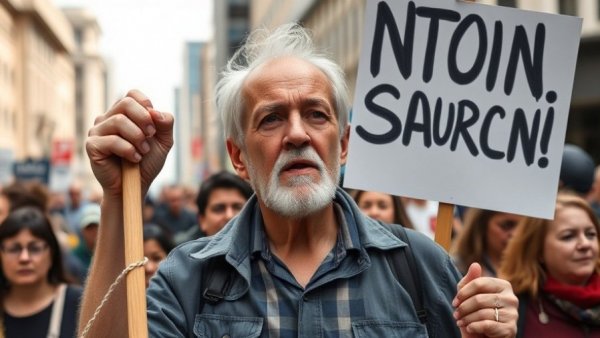
Guyana's Stand: A Commitment to International Law
In a bold declaration that resonates deeply within international law frameworks, Guyana has firmly rejected any external attempts at mediation regarding its longstanding border dispute with Venezuela. Recently, Foreign Minister Hugh Todd made clear that the nation is poised to await the World Court's ruling on this contentious issue, chiseled by history and enforceable through legal statutes. This decision was articulated in a national address following dialogues involving U.S. officials, signaling to both Venezuela and global observers that Guyana’s commitment to the 1899 arbitration settlement is unyielding.
Historical Context: The 1899 Arbitration
This dispute traces back to an 1899 arbitration agreement, which officially delineated the borders between the two countries. While Venezuela has rejected this ruling and continues to assert claims over the oil-rich Essequibo region, Guyana emphasizes the legal weight of the historical accord. Guyana's steadfastness reminds us of the critical importance of honoring international agreements and the role they play in maintaining global peace.
The Economic Stakes: Region-Rich in Resources
The dispute has heightened significantly since the discovery of substantial oil reserves off Guyana’s coast in 2015, marking a pivotal moment that drew international attention to the nation’s burgeoning economic potential. Guyana now sits at the forefront of the Caribbean oil production landscape, generating over a million barrels daily. This economic success only intensifies Venezuela’s interest in the region—an essential aspect that underscores the geopolitical stakes involved in this matter.
The Global Perspective: An International Episode
The recent statements made by U.S. officials highlight the role external powers are playing in this dispute. Jeremy Lewin, the U.S. State Department Policy Chief, previously explored mediation possibilities, yet Guyana's insistence on adhering to international law serves as a reinforcement of national sovereignty. It's a reminder to the global community of the importance of respecting the self-determination of nations, and the dangers of interference in matters that could exacerbate tensions unnecessarily.
Looking Ahead: The Future with the World Court
As Guyana awaits the ruling from the World Court, one can only speculate about the implications it will have on regional stability. Should the court uphold Guyana's claims, it could bring a level of closure long sought by its government while compelling Venezuela to reevaluate its diplomatic posture, potentially leading to more peaceful coexistence. An adverse ruling, on the other hand, could escalate tensions and challenge the framework of international agreements.
In this intricate tapestry of diplomacy, law, and resource politics, Guyana's rejection of U.S. mediation presents a significant turning point. It exemplifies a nation's determination to defend its territorial integrity while emphasizing the effects that history, diplomacy, and economic interests have on contemporary disputes.






Write A Comment