
cropper
update
Caribbean Streaming Network
update
  • Home
  • Categories
    • Caribbean
    • Streaming
    • Culture
    • Music
    • News
    • Sports
    • Entertainment
    • Islands
    • Community
    • Global
    • Food
    • Music
April 27.2025
1 Minute Read

Why ILO and CARICOM's Study on Migration Policy Matters for Caribbean Life

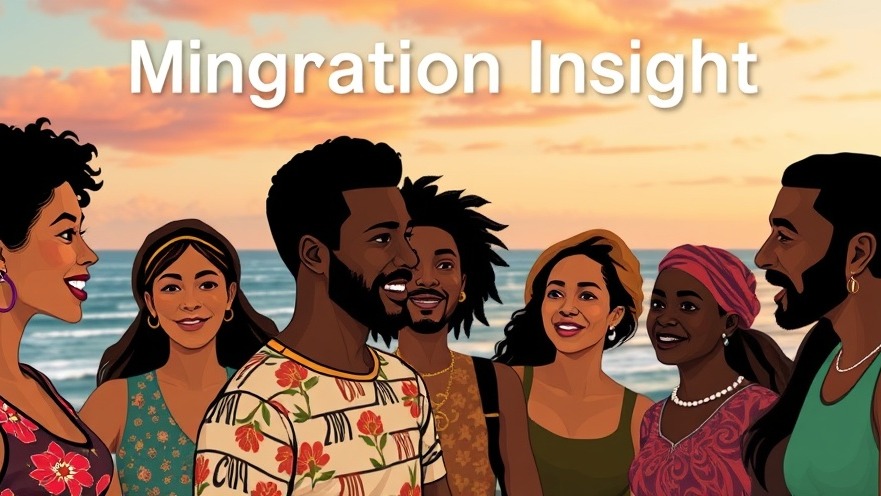
Diverse Caribbean people discussing migration impacts during sunset, highlighting ILO CARICOM collaboration.

Understanding Migration Policy in the Caribbean

Recently, the International Labour Organization (ILO) and the Caribbean Community (CARICOM) decided to work together to study migration policies in the Caribbean. This is an important step because migration affects many lives across the region, shaping not only the economy but also social structures and family dynamics.

Why Is Migration Important?

Migration is a common phenomenon in the Caribbean, with many people moving to find better job opportunities or to escape difficulties in their home countries. Countries receiving these migrants often benefit from a larger workforce and diverse cultures. However, it can also create challenges, such as strain on local resources and integration efforts.

What Are They Aiming to Achieve?

The upcoming study aims to examine how migration impacts the Caribbean nations individually and collectively. With findings from this study, the ILO and CARICOM hope to improve existing policies, ensuring that migration supports economic growth while also protecting the rights of migrants.

Community Impact

The implications of migration policies affect everyday lives greatly. From healthcare access to education in schools filled with children from various backgrounds, effective migration policy can enhance or hinder opportunities for community cohesion and development.

Looking Ahead

As the ILO and CARICOM proceed with their studies, it is crucial for communities to stay informed and engaged. Changes in migration policies can redefine the social landscape, and public involvement will be key to ensuring that these policies serve the people effectively.

News

35 Views

0 Comments

Write A Comment

*
*
Please complete the captcha to submit your comment.
Related Posts All Posts
07.07.2026

CARICOM Leadership Crisis: What’s Next for the Caribbean Community?

Update The Tensions Within CARICOM: A Closer Look The Caribbean community situated at the heart of political discourse recently faces an ongoing feud over the reappointment of Carla Barnett as Secretary-General. As CARICOM leaders convene in St. Lucia, a shadow looms over the summit, driven by a contentious narrative from Trinidad and Tobago. Trinidad's Prime Minister Kamla Persad Bissessar has signaled an intention to legally challenge Barnett’s appointment, suggesting procedural irregularities at a February meeting. Understanding the Background of CARICOM’s Challenges In light of climatic catastrophes and rising geopolitical tensions throughout 2025, Barnett identified this tumultuous time as one of the most challenging for the Caribbean. The backdrop of environmental disasters inevitably affects the region's cooperation framework and emphasizes the need for united leadership, sparking debate about the validity of Barnett’s position. The Irregularities Alleged: A Political Perspective Persad Bissessar's objections center on what she perceives as mismanagement during Barnett's term, particularly related to the perceived slight regarding a Trinidadian national’s abduction. Her critique poses questions not just about Barnett’s competence but about the nature of leadership in the Caribbean context. However, increased scrutiny of these claims reveals a political underpinning to her grievances, raising concerns about motives overshadowing procedural integrity. Discourse Among Member States: Unity vs. Division While Trinidad’s stance is clear, regional responses are mixed. Jamaican Prime Minister Andrew Holness has made it known that Jamaica stands firm in support of Barnett’s appointment, suggesting that legal action might be a futile endeavor and counterproductive to CARICOM's integrity. Holness advocates for a focus on coherence and unity, pushing back against the notion that Trinidad's dissent represents a broader consensus. Future Implications for CARICOM The implications of the Trinidadian challenge could reverberate beyond this isolated issue, prompting broader discussions on governance and organizational legitimacy within CARICOM. With Barnett's term ending in August, there is an urgency to resolve these conflicts not only to secure stable leadership but to reassure Caribbean citizens of the commitment to regional unity amidst crises. Conclusion: A Call for Reflection As CARICOM navigates these turbulent waters, it is essential for leaders to reflect on their approaches to governance and collaboration. The upcoming decisions will shape not just Barnett’s future but the foundation of regional cooperation in the Caribbean. In these times of uncertainty, the leaders must prioritize collective resilience over individual disputes.

07.03.2026

Alberta's Pipeline Vision: Boosting Jobs and Carbon Capture Initiatives

Update Alberta's Ambitious Energy Plans: A Step Towards Economic Resilience In a bold move, Alberta, alongside the federal government, is advancing plans for a West Coast pipeline project aimed at boosting energy exports while ensuring environmental sustainability. This pipeline is designed to transport up to one million barrels of oil per day to global markets, reinforcing Canada’s position as a major energy player. It also represents a significant opportunity for local economies, potentially creating around 140,000 jobs during construction and operation. Pathways Project: Leading the Charge in Carbon Capture Technology In tandem with the pipeline initiative, Alberta will also be spearheading the Pathways Project, which is set to be one of the world’s largest carbon capture and storage (CCS) projects. This technology is imperative not just for meeting environmental standards but also for creating a pathway toward economic growth and sustainability. The Pathways Project could eliminate up to 16 million tonnes of carbon emissions annually, making it a commendable step in the fight against climate change while simultaneously supporting the oil industry. Indigenous Empowerment Through Energy Initiatives One of the key features of these initiatives is the partnership with Indigenous communities. Alberta and Canada are committed to including Indigenous Peoples in the project’s ownership, providing them with a stake in its success. This participatory approach not only honors Indigenous rights but opens avenues for economic advancement, job training, and contracting opportunities within these communities. A Combined Effort for a Sustainable Future As Prime Minister Mark Carney emphasizes, Canada's strategy during this global energy crisis revolves around leveraging its clean energy capabilities while enhancing economic self-reliance. The collaborative effort between provincial and federal governments, along with the private sector and Indigenous groups, illustrates a forward-thinking approach to energy development that balances economic and environmental interests. Why This Matters Now With energy security becoming increasingly critical on the global stage, Alberta's initiatives are timely and carry the potential for transformative impacts. By connecting Alberta’s vast energy resources with the global market through sustainable practices, Canada is not only enhancing its economic prospects but also sending a strong message about its commitment to environmental stewardship. This dual approach is essential for creating a resilient and sustainable future that benefits all Canadians.

07.03.2026

No Safe Haven: Jamaica's New Strategy Against Rising Crime Rates

Update Jamaica's Commitment to Security and SafetyRecently, Jamaica's National Security Minister made a strong statement about the government’s commitment to ensuring that criminals cannot find protection or a safe haven in the country. This announcement comes in response to rising concerns about violence and criminal activities in various parishes across Jamaica, particularly in the tourist-friendly areas like Montego Bay.The government has launched increased security operations, which include military-police joint efforts to combat organized crime. Approximately 197 arrests were made in St. James, and among those detained, some individuals were wanted for serious offenses, including murder. This proactive approach aims to reassure both locals and tourists that the government is taking decisive action.Understanding the Context of CrimeUnfortunately, Jamaica has been grappling with high crime rates, particularly violent crimes, significantly impacting the perception of safety in the nation. The National Security Minister’s remarks suggest that the government is under pressure to address these issues head-on. Scholars and legal experts have expressed mixed feelings about using states of emergency and intensified law enforcement. While these measures can lead to immediate results, critics point out potential overreach and negative implications for civil rights and the judicial process.The Balance Between Control and Community TrustThe balance between enforcing law and maintaining community trust is crucial for effective governance. In recent statements, officials have emphasized the importance of public cooperation in reporting criminal activities. By encouraging citizens to share information about criminal networks, the government hopes to create a collaborative approach that enhances community safety. The voiced public support for these operations indicates a desire for change, yet it also poses questions about sustainable crime prevention strategies.Future Considerations for Jamaica’s Security StrategyMoving forward, the Jamaican government must consider the long-term impacts of its security policies. While crackdowns on crime may yield short-term successes, experts suggest that sustainable solutions should also address underlying social issues. Initiatives such as educational programs targeting youth and better access to legal resources for detained individuals could help cultivate a safer and more equitable society.A Call for Balanced SolutionsIt is essential for current discussions on crime in Jamaica to not only focus on stringent law enforcement but also on the root causes of violence. The Island Nation is at a crucial juncture where effective policies combining law enforcement with social support systems can lead to more comprehensive and lasting security outcomes.As the national discourse evolves, keeping an eye on the effectiveness of various approaches and their acceptance by the locals will be key. The future success of these strategies largely depends on how well they resonate with communities and how they evolve to build both safety and trust.

Terms of Service

Privacy Policy

Core Modal Title

Sorry, no results found

You Might Find These Articles Interesting

T
Please Check Your Email
We Will Be Following Up Shortly
*
*
*