

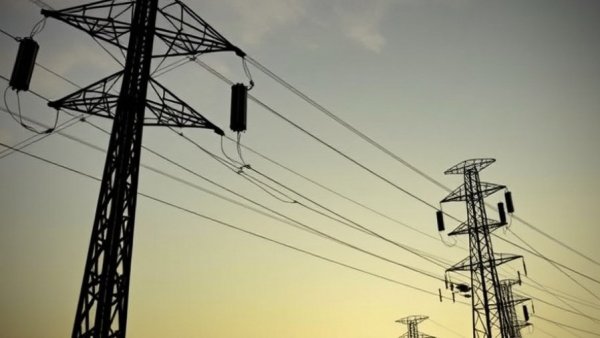
Venezuela’s Electricity Sector Set for Change
The Venezuelan National Assembly has taken a significant step by approving reform to the Organic Law of the Electrical System and Service, allowing gradual privatization of the electricity sector amid a challenging economic landscape filled with power shortages and rising demand. The new law permits private companies to participate in all aspects of energy supply including generation, transmission, distribution, and commercialization.
Shifting Control
Historically, the electricity sector has been dominated by state control, with former President Hugo Chávez enacting laws to establish a monopoly. However, the recent reform shifts this paradigm allowing mixed-ownership and private enterprises to play a role. National Assembly president Jorge Rodríguez emphasized this transition, stating, “It will allow self-generation, making it possible for private companies to generate and provide electricity to necessary services such as businesses and industries.”
The Role of Private Companies
Under the revised law, private companies can create new power plants and infrastructure, charge fixed use fees, and receive concessions for up to 25 years. The conditions set forth also enable these entities to manage certain state assets while promising to return them following their operational period. This approach aims to improve electricity availability in Venezuela, where power outages have become commonplace.
Future Implications for Consumers
While the government claims this shift is not outright privatization, but rather an “expansion,” the implications for consumers and businesses may be substantial. One notable change is that electricity consumption tariffs will now be set in foreign currency, which may affect affordability for everyday citizens. However, Rodríguez has stated that the reform includes policies to subsidize vulnerable sectors, ensuring those with lower incomes can access necessary services.
Challenges Ahead
Despite these positive changes, several challenges loom, especially concerning the effective implementation of this law. The creation of a National Electric System Superintendency will be crucial in establishing tariffs and investigating legal matters relating to operational compliance. Additionally, the necessity for private companies to navigate Venezuelan courts or alternative dispute resolution mechanisms may complicate engagements with foreign investors.
Conclusion: Reassessing Energy Dynamics
Venezuela’s recent move towards privatizing parts of its electricity sector opens a complex chapter in its energy dynamics. Although intended to alleviate the ongoing crisis and improve infrastructure, how this will translate into real benefits for Venezuelans remains to be seen. Stakeholders are urged to closely monitor developments in this evolving landscape of energy provision in Venezuela.







Write A Comment