

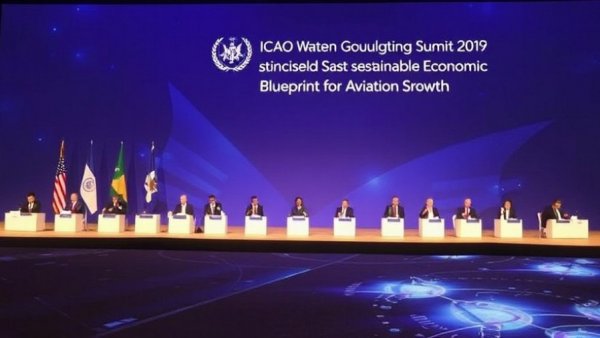
ICAO Summit Aims for a Sustainable Aviation Future
This week in Montréal, the International Civil Aviation Organization (ICAO) has gathered world leaders and aviation experts to reshape the future of air transport amid various challenges such as climate change and rapid technological advancements. With vital discussions expected, the Seventh Worldwide Air Transport Conference marks the first major review of aviation’s economic framework in over a decade.
The Urgency of Addressing Climate Change
As global temperatures rise and climate conditions worsen, the aviation sector is under pressure to reduce its carbon footprint. ICAO's president, Toshiyuki Onuma, emphasizes that the decisions made during this conference will significantly influence the aviation industry's approach to climate action in the coming decades. This demonstrates a broad consensus that inaction is no longer an option.
Technological Innovations Shape Future Transport
Participants in the summit are set to discuss not only traditional measures but also emerging technologies that could change how we view air travel. Innovations such as flying taxis and supersonic jets are part of the conversation, reflecting the industry's shift toward futuristic transportation solutions. ICAO Secretary General Juan Carlos Salazar outlines the need for a global economic framework that adapts to these rapid technological changes.
Collaboration Across Borders
The conference is not just a platform for dialogue; it serves as a crucial meeting point for delegates from 115 member states. This unity signifies the importance of international collaboration in overcoming significant economic and environmental hurdles. The plan set forth for 2050 envisions net-zero carbon emissions and a transportation system that genuinely benefits communities worldwide.
Shared Commitment to Resilience
Amid geopolitical tensions and fluctuating energy prices, ICAO recognizes the need for a robust and resilient global aviation infrastructure. Enhanced consumer protection, financial strategies for greener energy, and harmonized aviation charges are all part of the current discussions. This heightened focus on sustainability highlights a collective responsibility to ensure aviation not only survives but thrives in a challenging environment.
The Path Forward
As discussions progress, delegates are anticipated to back a Ministerial Declaration, paving the way for a unified approach to managing cybersecurity risks, supply chain disruptions, and pushing for climate action. The outcomes of this conference will set a transformative course for the aviation industry, moving towards a more sustainable, accessible, and resilient transport future.






Write A Comment