

cropper
Caribbean Streaming Network
  • Home
  • Categories
    • Caribbean
    • Streaming
    • Culture
    • Music
    • News
    • Sports
    • Entertainment
    • Islands
    • Community
    • Global
    • Food
    • Music
November 02.2025
2 Minutes Read

Hurricane Melissa Leaves a Trail of Destruction in Jamaica: A Call to Action

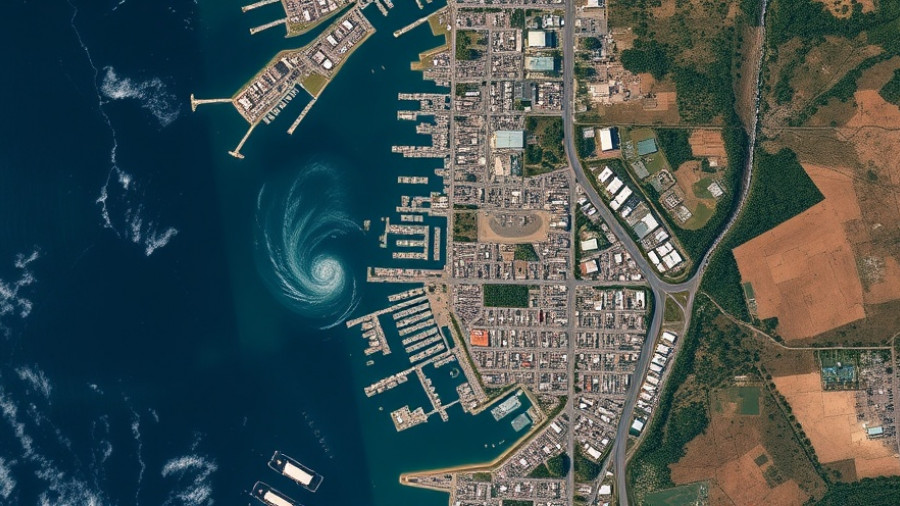
Satellite view of coastal town in Hurricane Melissa recovery efforts.

The Human Impact of Hurricane Melissa's Devastation

The aftermath of Hurricane Melissa has left a profound impact on the people of Jamaica, bringing widespread destruction and the urgent need for humanitarian aid. This catastrophic event has claimed at least 19 lives and displaced thousands, showcasing the vulnerability of coastal communities to such extreme weather events. The hurricane, categorized as one of the strongest on record, caused buildings to crumble, roads to be rendered impassable, and vital infrastructure to collapse.

The Scale of Destruction

Hard hit areas, like St. Elizabeth and Westmoreland, reveal harrowing scenes. Homes have been torn asunder, with families forced to find refuge in emergency shelters. Reports highlight that over 6,000 people are currently in shelters, grappling with the reality of lost homes and livelihoods. The Red Cross Movement and other relief organizations are stepping in to deliver food, clean water, and shelter supplies to those who need them most, emphasizing the critical need for unified support during such crises.

Global Response to Local Needs

In the wake of Hurricane Melissa, international agencies, including the Red Cross and the United Nations, are mobilizing efforts to deliver essential aid. Helicopters are being deployed to unreachable communities, and volunteers are distributing supplies ranging from food to medical care. This coordinated response highlights the global solidarity towards recovery, emphasizing that even in the worst situations, communities can rely on a network of support.

The Road Ahead: Challenges and Hope

Despite the overwhelming despair, there remains a flicker of hope as recovery efforts gain momentum. Government officials are assessing damages and planning to rebuild more resilient infrastructure. Initiatives such as the Caribbean Catastrophe Risk Insurance Facility, which announced a record payout of $70.8 million to Jamaica, provide crucial financial support in these challenging times. This funding may help the island not only recover but emerge stronger.

Community Resilience: Stories from the Ground

The personal stories coming out of this tragedy are inspiring. Individuals like Dorothy Headley, who, despite having lost her home, continues to prepare meals for her neighborhood, showcase the unique resilience of Jamaican spirit. Community members are coming together, sharing what little they have, and helping their neighbors cope with this disaster.

Conclusion: A Call for Continued Support

As Jamaica faces the long road to recovery from Hurricane Melissa, the stories of loss and resilience remind us of the importance of community and support in times of crisis. The need for continued assistance remains critical, and efforts from around the world will be essential in rebuilding lives and livelihoods. To assist in these efforts, consider contributing to a local relief fund or volunteering with disaster response organizations. Every little bit of help counts.
Culture

121 Views

0 Comments

Write A Comment

*
*
Please complete the captcha to submit your comment.
Related Posts All Posts
11.21.2026

Travel Advisory Alert: Canadians Urged to Exercise Caution in Caribbean Destinations

Update Understanding Canada's Travel Advisory: What's at Stake? For Canadians dreaming of the Caribbean sun, a recent travel advisory may just rain on their parade. With the Canadian Government urging caution in six popular destinations—Jamaica, The Bahamas, Trinidad and Tobago, Guyana, Belize, and the Turks and Caicos Islands—it's time for travelers to carefully consider their plans. Crime Concerns: High Risk Areas The primary reason behind this caution? A persistent wave of crime, especially violent crime in tourist hotspots. In Jamaica, despite a noted decrease in violent incidents, certain areas like Kingston and Montego Bay still pose risks that even seasoned travelers should acknowledge. The advisory emphasizes that while tourist areas have a police presence, care should still be exercised. Tourists might think of sipping their rum cocktails in peace, but a double-check on local advisories goes a long way. A Closer Look at The Bahamas Next on the list is The Bahamas, where travelers are cautioned due to high crime rates, particularly in Nassau and Freeport. Places near cruise ship terminals should be approached with care, where robberies could strike unexpectedly, even in broad daylight. It's like a daily soap opera, where things don’t always go as planned! Gang Violence in Trinidad and Tobago Trinidad and Tobago is also under the spotlight, particularly due to gang-related violence in specific neighborhoods. Travelers are advised to skip places like Beetham Estate Gardens and parts of downtown Port of Spain, echoing the sentiment that some adventures are better left unexplored. Keeping Up With Barbados and Others While many Caribbean islands like Barbados continue to uphold a lower risk level, it's essential to remain vigilant and aware. Canada's advisory system urges tourists to keep abreast of local conditions because danger may lurk where you least expect it. Final Thoughts: Is the Trip Worth It? For anyone considering a tropical getaway, understanding these travel advisories is crucial. After all, the Caribbean should be a place of joy, sunshine, and relaxation, not just caution and concern. So, as you map out your winter vacation, remember: happiness in paradise comes with a bit of awareness.

11.20.2026

Why Indigenous Rights Are Crucial in the Clean Energy Transition

Update Energy Transition: A Double-Edged SwordAs the world races towards cleaner forms of energy, a critical voice has emerged from the Indigenous community in Brazil. Luene Karipuna, executive coordinator of the Articulation of Indigenous Peoples and Organisations of Amapá and Northern Pará (APOIANP), spoke out at the COP31 climate conference, highlighting the risks that the energy transition poses to Indigenous territories. She warns that the shift away from fossil fuels could inadvertently turn these lands into ‘sacrifice zones’ for mining and industrial development. Karipuna’s poignant remarks illuminate a neglected aspect of the global energy discourse—not just the fight against climate change, but also the pressing need for Indigenous voices to be included in decision-making processes.The Importance of Indigenous VoicesKaripuna emphasized that the narrative of energy transition is often constructed behind closed doors, excluding the very communities that are pivotal in protecting vital ecosystems like the Amazon rainforest. This lack of consultation could lead to catastrophic consequences, not only for the environment but for the livelihoods of Indigenous peoples who depend on their ancestral lands. It’s akin to throwing a party without inviting the guest of honor—how can societies claim to commit to sustainability if they're not consulting those who have safeguarded the land for generations?Mining Myths and RealitiesThe demand for critical minerals essential for renewable technologies poses another threat. As the world shifts towards electric vehicles and solar panels, the rush to extract these resources has intensified. Karipuna points out that many of these minerals are located in territories long protected by Indigenous communities, shining a spotlight on the contradictions within the energy transition narrative. How can we claim to be protecting the environment while simultaneously exploiting it? This contradiction can lead to more significant inequalities, with Indigenous communities bearing the brunt of industrial activities intended to promote sustainability.Ensuring Future ConversationsAt the heart of Karipuna's advocacy is the call for free, prior, and informed consent for any development projects that could impact Indigenous territories. By adhering to established frameworks such as the International Labour Organization Convention 169, governments can demonstrate a commitment to respecting Indigenous rights. But will they?The stakes are high, and the urgency for meaningful dialogue is more pressing than ever. As we celebrate the transition to cleaner energy, let’s not forget the voices of those who have long protected the lands we now seek to exploit. The lands are not just resources; they are histories, cultures, and lives intertwined with our planet’s future. Without the meaningful inclusion of Indigenous communities in these discussions, the energy transition risks becoming yet another chapter in a lengthy story of exploitation and neglect.

11.19.2026

Celebrating the Life and Legacy of Roland Hyde: A Beacon for Caribbean Diaspora Photography

Update A Tribute to a Visionary: The Legacy of Roland HydeRoland Hyde, a Jamaican-born photographer who masterfully captured the essence of Caribbean diaspora life, has passed away at the age of 75. Known for his work over nearly four decades, Hyde's lens documented everything from political activists to vibrant cultural events, leaving a remarkable legacy that resonates deeply within the Caribbean-American community.From Humble Beginnings to ProminenceHyde's journey began at just nine years old when a Yashica camera gifted by his pastor ignited his passion for photography. This early interest blossomed through education at the William Knibb Memorial High School and the University of the West Indies, eventually leading to his distinguished graduation from the Germein School of Photography. Such dedication underscored Hyde's commitment to honing his craft, a quality that propelled him to the forefront of New York’s Caribbean scene.Snapshots of a CommunityThroughout his career, Hyde's lens became synonymous with milestones in the Caribbean diaspora. He documented high-profile figures, including notable politicians and cultural leaders, with his work appearing in numerous publications that served Caribbean communities. His dedication brought Caribbean narratives to the forefront, allowing them to shine brightly in a multicultural landscape.A Life RememberedFriends and colleagues, like Felicia J. Persaud, have shared heartfelt tributes, celebrating Hyde not only as a photographer but as a warm and joyful presence in their lives. His calm spirit and enduring smile during even the most challenging assignments highlighted a sense of peace that made collaboration a pleasure.While we mourn the loss of such an impactful figure, we also reflect on the vibrant stories he captured. Hyde's work will continue to inspire future generations, reminding us of the rich tapestry of Caribbean life and history. His legacy lives on through the countless images he produced, each telling a unique story, and his memory will forever remain etched in the hearts of those he touched.

 Caribbean News

Caribbean Streaming Network (CSN) is the premier digital platform bringing the vibrant culture, entertainment, and stories of the Caribbean to the world.

Offering a dynamic mix of original series, films, news, sports, and live events, CSN celebrates the richness and diversity of Caribbean life across every island and diaspora.

From music concerts to culinary showcases, from cricket tournaments to in-depth documentaries, CSN connects audiences with authentic Caribbean experiences like never before.

COMPANY

  • Privacy Policy
  • Terms of Use
  • Advertise
  • Contact Us
  • Menu 5
  • Menu 6

4079524625

AVAILABLE FROM 8AM - 5PM

City, State

Waterway, Kissimmee, FL

ABOUT US

At Caribbean Streaming Network (CSN), we bring the vibrant heartbeat of the Caribbean directly to your screen. Our platform showcases the best in Caribbean news, music, sports, films, and cultural programming, celebrating the spirit, diversity, and creativity of the islands.

Whether you’re from the Caribbean or simply inspired by its beauty, CSN offers a dynamic window into the stories and experiences that define the region. Available worldwide, we connect audiences to the Caribbean anytime, anywhere.

© 2026 CompanyName All Rights Reserved. Address . Contact Us . Terms of Service . Privacy Policy

Terms of Service

Privacy Policy

Core Modal Title

Sorry, no results found

You Might Find These Articles Interesting

T
Please Check Your Email
We Will Be Following Up Shortly
*
*
*