
cropper
Caribbean Streaming Network
  • Home
  • Categories
    • Caribbean
    • Streaming
    • Culture
    • Music
    • News
    • Sports
    • Entertainment
    • Islands
    • Community
    • Global
    • Food
    • Music
August 19.2025
2 Minutes Read

Florida Joins Six States to Restrict SNAP Purchases on Junk Food

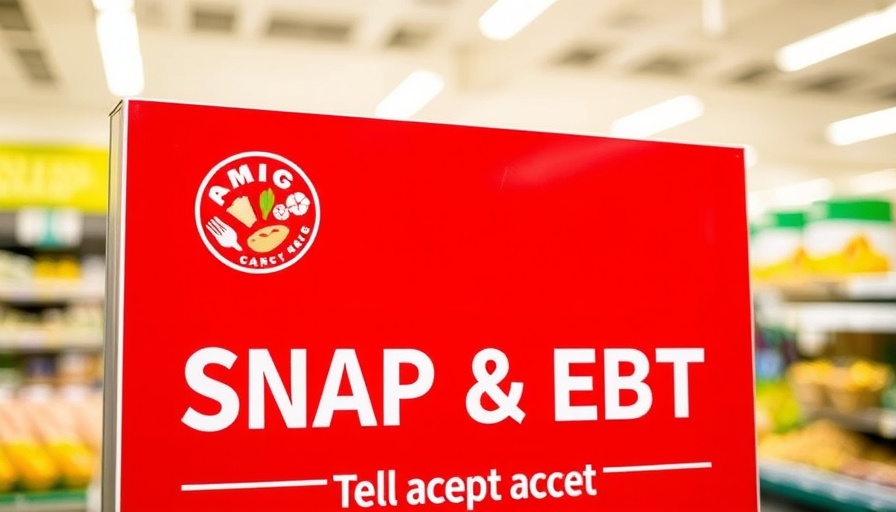
SNAP and EBT acceptance sign on red background, highlighting food program.

Florida's Bold Move to Restrict SNAP on Junk Food

In a significant policy shift, Florida is joining five other states approved to restrict the use of Supplemental Nutrition Assistance Program (SNAP) benefits on junk food, as announced by Health and Human Services Secretary Robert F. Kennedy Jr. Earlier this month, Kennedy highlighted this initiative aimed at enhancing public health by steering low-income families away from high-sugar and high-calorie items.

Understanding the Restrictions

The new SNAP waivers will come into effect in 2026, alongside similar measures in Texas, Oklahoma, Louisiana, Colorado, and West Virginia. These restrictions primarily target sugary sodas and candy, while some states are even expanding the list to include energy drinks and certain juice products with minimal natural content. This marks a proactive step taken by states to address rising concerns over obesity and related health issues.

Flipping the Narrative: Is This a Help or Harm?

This initiative aims to repurpose taxpayer dollars away from products that contribute to health issues like diabetes and obesity. Kennedy reinforced that it is unwarranted for taxpayers to subsidize unhealthy food for vulnerable populations. Through these waivers, states embracing these changes can champion healthier food options and provide better nutrition to families needing assistance.

Comparative Insights from Other States

Florida joins eleven other states in this reform journey, including Nebraska, Iowa, Indiana, Arkansas, Idaho, and Utah, which already have restrictions in place. The success of such policies in these states offers valuable lessons for Florida, especially in navigating potential pushback from advocates concerned about food freedom and choice among low-income families.

Competitive Edge: States Leading the Charge

States like Arkansas show how restrictions can also be tailored—preventing the use of SNAP for products like "fruit and vegetable drinks" that lack significant juice content. This targeted approach emphasizes the importance of providing not only safer but also genuinely nutritious options to low-income households.

Encouragement for Broader Implementation

As states rally around these waivers, Kennedy has urged governors from across the country to consider following this model. The goal remains clear: ensuring American families have better access to wholesome food options that nourish rather than harm. This initiative exemplifies a growing trend towards recognizing the role of government in promoting public health.

The SNAP policy reform in Florida reflects the state's commitment to tackling the health crises linked to junk food consumption. As this policy unfolds, the potential benefits could lead to a healthier future for countless families.

Food

59 Views

0 Comments

Write A Comment

*
*
Please complete the captcha to submit your comment.
Related Posts All Posts
10.26.2026

Why EU Citizens Support Innovative Foods But Demand More Information

Update Understanding Food Innovation in EuropeAs the European Commission released new insights from the Special Eurobarometer on food innovation, it is clear that residents across Europe share a perception of innovative foods that can greatly benefit agriculture and food production. This survey highlights that many Europeans believe that food innovation plays a crucial role in helping farmers tackle significant challenges such as climate change and resource scarcity. However, there is a recurring message: people want more information about these innovations.Mixed Feelings About Innovative FoodsError! The recent survey revealed that 68% of respondents agree that these innovations can give farmers extra tools to manage issues like pests and supply disruptions. Among the new food products, the highest acceptance was found for drought-resistant fruits and vegetables, with about 50% of individuals feeling comfortable with such options. However, a stark contrast emerged when it came to overall perceptions, as 51% of Europeans reported a negative outlook on innovative food products.Interestingly, the level of information and awareness plays a significant role in forming opinions. For instance, 72% of people who felt informed had a positive view of innovative foods compared to just 27% for those who did not. This gap emphasizes the urgency for clear and transparent communication to enhance understanding and acceptance among the populace.The Importance of Transparency and TrustHighlighting a key factor for acceptance, the results indicate that transparency is paramount. An overwhelming 85% of respondents agreed that clear naming and understandable information regarding production processes are essential for innovative food products. This points to a need for policymakers and researchers to present detailed information early in the innovation life cycle. Such measures can pave the way for greater public trust and ultimately influence consumer habits positively.Impact on Future Food PoliciesThe findings of this Eurobarometer survey are timely, aligning with the EU's dedicated Food 2040 research and innovation agenda, which aims to establish a competitive, resilient, and sustainable food system. By listening to the public’s view on innovative foods, the EU can better shape policies, ensuring they meet the expectations and welfare of its citizens as they navigate a path fraught with environmental and economic challenges.Embracing Innovation with CautionUltimately, while Europeans see the potential in food innovation, their caution indicates the necessity for a trustworthy relationship between food producers and consumers. With the right information and transparency, the dinner plates of Europe could become a canvas for innovative products that not only sustain but fundamentally improve food security and agricultural resilience.As interest in innovative foods grows, so too does the responsibility of producers to inform and engage with consumers. With the right educational strategies, food innovation can transform the way we think about food, addressing both current challenges and future uncertainties.

10.01.2026

Creole Food Festival Returns to Highlight Culinary Diversity and Culture

Update Celebrating Diversity Through Culinaire: The Creole Food Festival The Creole Food Festival is back for its eighth year, once again showcasing the rich tapestry of Creole culture through the culinary arts. Founded by Fabrice Armand, the festival emerged as a response to a notable absence of recognition for Black and Caribbean chefs in prominent culinary circles, despite their exceptional talents. He draws attention to the significant contributions of chefs like Jouvens Jean and Todd Richards, underscoring their extraordinary capabilities. Beyond Borders: The Essence of Creole Cuisine Armand asserts that Creole culture is not confined to the traditional narratives of Haiti or New Orleans; it embodies a broader tapestry that spans Africa, the Caribbean, Latin America, and Southern United States. The food festival aims to redefine what it means to celebrate Creole culture, utilizing food as a powerful medium to unite diverse backgrounds. Through culinary innovation, the festival highlights unique connections and shared experiences among cultures. Culinary Talent and Community Reach The planning and execution of the festival are no small feats, usually commencing nearly a year in advance. Crucially, Armand emphasizes collaboration with local chefs, food entrepreneurs, and community organizations to craft a festival that resonates authentically with each host city. As Creole Food Festival branches out into various cities like New York, Miami, and Washington D.C., it not only brings culinary delights to patrons but also fosters essential community engagement. This year, participation by chefs from diverse backgrounds provides a platform for mentorship and opportunities, encouraging professional growth in the culinary industry. The Impact of Culinary Festivals on Emerging Chefs Reflecting on previous festivals, Armand expresses pride in the trajectories of chefs after they grace the festival’s platform. Many have experienced increased visibility and have significantly influenced their local culinary scenes, carving out paths for future food innovators. The festival is inherently more than just a gastronomic gathering; it embodies a commitment to cultural celebration and economic empowerment within the food industry. Through culinary diversity, the Creole Food Festival champions the voices and talents of chefs who might otherwise remain unrecognized. The Creole Food Festival not only satisfies the palate but also challenges attendees to appreciate culture and community. It is a reminder of how food serves as a connector among people, allowing us to celebrate our differences and reach across divides, fostering understanding one plate at a time.

09.25.2026

How Haitian-American Sisters Transform Family Recipes into Business Success

Update Rediscovering Cultural Roots Through Food In a world overflowing with snack food options, Haitian-American sisters Pierrelande and Marie Saint Cyr have embarked on a journey that reconnects them with their heritage through their brand, NouBon, which translates to "We’re good" in Haitian Creole. Inspired by cherished family recipes and nostalgic experiences from their childhood in Haiti, their entrepreneurial venture not only serves delicious Caribbean snacks to the American market but also reaffirms their identity as daughters of a vibrant culture. The Resilience of Family Traditions Growing up in Arcahaie, Haiti, the sisters were immersed in a rich tapestry of flavors that influenced their culinary creations. The move to the United States brought challenges, including a significant culture shock, especially for Pierrelande, who struggled with English and faced bullying during her early years. However, their mother's determination to provide a better life for them became a strong foundation for their resilience, adaptability, and a deep-rooted sense of community. Lessons from the First Attempt Launching NouBon was no easy feat. Their initial efforts were riddled with challenges such as trial and error in production, marketing, and establishing partnerships. Early setbacks, including financial losses, forced the sisters to reevaluate their approach to business. Instead of viewing these trials as failures, they embraced the opportunity to learn, grow, and refine their vision. They discovered the importance of aligning responsibilities based on their strengths—a crucial step in transforming their aspirations into reality. Looking Ahead: Goals and Dreams As they refine their business model, Pierrelande and Marie are fueled by the ambition to expand NouBon into more regional retailers across the U.S., capitalizing on the growing interest in Caribbean cuisine. Their long-term goal sees them aiming for nationwide recognition, hoping to transform their innovative snacks from local treasures to staples on supermarket shelves across the nation. The Broader Impact of Family Business The journey of Pierrelande and Marie Saint Cyr exemplifies much more than a business story; it reflects the complexities of immigrant experiences, cultural identity, and the entrepreneurial spirit. In a society where the food industry often overlooks smaller brands, their tenacity sheds light on the broader challenges faced by aspiring food entrepreneurs, including steep production costs and market barriers. Their ongoing perseverance is not just about business survival; it is about preserving a cultural legacy that resonates deeply with both their personal history and the culinary world. Call to Action: Support Cultural Ventures Supporting small businesses like NouBon doesn’t just help an entrepreneurial spirit thrive; it also contributes to a rich cultural diversity within our communities. Join in the celebration of Caribbean flavors and the stories behind them by exploring local markets for NouBon products and sharing the experience!

 Caribbean News

Caribbean Streaming Network (CSN) is the premier digital platform bringing the vibrant culture, entertainment, and stories of the Caribbean to the world.

Offering a dynamic mix of original series, films, news, sports, and live events, CSN celebrates the richness and diversity of Caribbean life across every island and diaspora.

From music concerts to culinary showcases, from cricket tournaments to in-depth documentaries, CSN connects audiences with authentic Caribbean experiences like never before.

COMPANY

  • Privacy Policy
  • Terms of Use
  • Advertise
  • Contact Us
  • Menu 5
  • Menu 6

4079524625

AVAILABLE FROM 8AM - 5PM

City, State

Waterway, Kissimmee, FL

ABOUT US

At Caribbean Streaming Network (CSN), we bring the vibrant heartbeat of the Caribbean directly to your screen. Our platform showcases the best in Caribbean news, music, sports, films, and cultural programming, celebrating the spirit, diversity, and creativity of the islands.

Whether you’re from the Caribbean or simply inspired by its beauty, CSN offers a dynamic window into the stories and experiences that define the region. Available worldwide, we connect audiences to the Caribbean anytime, anywhere.

© 2026 CompanyName All Rights Reserved. Address . Contact Us . Terms of Service . Privacy Policy

Terms of Service

Privacy Policy

Core Modal Title

Sorry, no results found

You Might Find These Articles Interesting

T
Please Check Your Email
We Will Be Following Up Shortly
*
*
*