
cropper
Caribbean Streaming Network
  • Home
  • Categories
    • Caribbean
    • Streaming
    • Culture
    • Music
    • News
    • Sports
    • Entertainment
    • Islands
    • Community
    • Global
    • Food
    • Music
July 10.2026
2 Minutes Read

Explore the Best Cities to Experience FIFA World Cup 2026

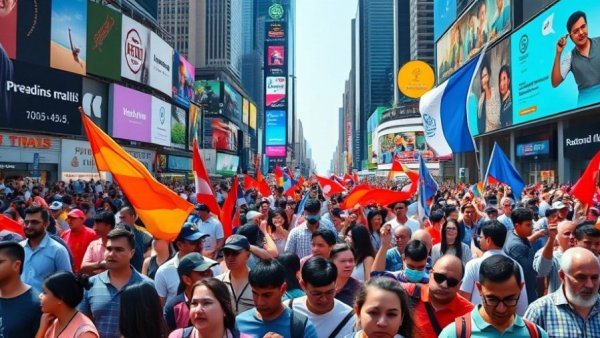
Vibrant crowd with international flags in bustling city square, Best host cities for FIFA World Cup 2026.

Discover the Energy of FIFA World Cup 2026 Host Cities

As the FIFA World Cup 2026 approaches, excitement is building for this historic tournament that will be hosted across three countries: the United States, Canada, and Mexico. With a record 48 national teams participating, fans are set for an extraordinary celebration of football and culture. Here’s a look at why the host cities stand out as must-visit destinations during this global event.

New York/New Jersey: The Heart of Football Festivities

You can’t mention football without talking about New York and its neighbor New Jersey, the epicenter of the World Cup action. With MetLife Stadium hosting the final, this city offers an unparalleled mix of iconic attractions and a vibrant fan atmosphere. Spend your day admiring the Statue of Liberty, strolling through Central Park, and witnessing the electric vibe of Times Square, all before heading to a pulsating fan zone where supporters from around the globe gather.

Toronto: Canada’s Enthusiastic Embrace of the Sport

Over in Toronto, an expansive FIFA World Cup hub has sprung to life at Nathan Phillips Square. Here, a unique soccer pitch is nestled amidst the city’s stunning skyline, shattering the boundaries of entertainment and culture. While matches are underway, dive into Toronto’s famed culinary scene or explore its eclectic neighborhoods like Kensington Market. The city’s multicultural fabric ensures every visitor feels at home, making it a delightful stop for football fans seeking great food and lively experiences.

Mexico City: A Fiesta of Passion and Tradition

Mexico City pulsates with a palpable football energy that one can sense the moment they arrive. The bustling streets are filled with rich traditions, from street games to tantalizing culinary delights. Between matches, immerse yourself in the historic heart of Mexico City, where culture meets history at every corner. With archaeological wonders just a stone's throw away and vibrant street food waiting to be discovered, you’re in for an unforgettable experience.

Preparing for a Unique Football Experience

As travel technologies evolve, planning your World Cup journey becomes a breeze. Leverage mobile apps for logistics, making it simple to traverse between stadiums, accommodations, and attractions across these vibrant cities. This football extravaganza isn’t just about the games; it’s a chance to explore and bond with the global community over a shared passion.

Culture

22 Views

0 Comments

Write A Comment

*
*
Please complete the captcha to submit your comment.
Related Posts All Posts
11.23.2026

CARICOM's Ongoing Struggle: Can It Deliver on Regional Promises?

Update Is CARICOM Living Up to Its Promises? As I journey through the vibrant CARICOM region, the sights and sounds of a hopeful Caribbean are evident, yet a contrast looms large. It's a place overflowing with potential — eager graduates, hard-working farmers, and spirited entrepreneurs. But what happens when regional dreams clash with the stark reality of barriers? Picture this: a farmer with fresh produce finds no way to sell it in nearby markets, graduates are navigated through red tape, and bright young minds are disillusioned about their freedom to flourish within their own community. The Challenge of Regional Unity Despite the talk of regional integration, CARICOM grapples with deliverables. The summit meetings, the declarations, and the ambitious agreements often seem to take a back seat to the mundane challenges of practical implementation. Isn't it a bit ironic? We have leaders advocating for a united Caribbean, yet we stumble to translate those lofty speeches into tangible outcomes for citizens. It's time for some honest evaluations and transparent conversations. Questions that Matter Three questions stand out like neon signs in this scenario: Who foots the bill when it comes time to deliver on regional promises? How do our smaller island nations make themselves heard amid larger voices? And, what happens when agreements are made on paper but fall flat in reality? If the priority is a CARICOM commitment to leadership and prosperity, then every initiative should have a clearly defined leader, precise funding, and, importantly, measurable outcomes. Call For Action Let’s envision a Caribbean where the graduate heading out for their first job has opportunities not tied to geographical limitations, or the farmer can easily distribute goods without bureaucratic hurdles. This isn't just a dream — it's a vision we should all strive for. The citizens of CARICOM deserve a regional identity that tangibly enriches their lives. What will it take to get there? The answer lies in our commitment to accountability, cooperation, and substantive results. With a clear focus, CARICOM could transform its potential into success stories that resonate from Kingston to Port-of-Spain and beyond!

11.21.2026

Travel Advisory Alert: Canadians Urged to Exercise Caution in Caribbean Destinations

Update Understanding Canada's Travel Advisory: What's at Stake? For Canadians dreaming of the Caribbean sun, a recent travel advisory may just rain on their parade. With the Canadian Government urging caution in six popular destinations—Jamaica, The Bahamas, Trinidad and Tobago, Guyana, Belize, and the Turks and Caicos Islands—it's time for travelers to carefully consider their plans. Crime Concerns: High Risk Areas The primary reason behind this caution? A persistent wave of crime, especially violent crime in tourist hotspots. In Jamaica, despite a noted decrease in violent incidents, certain areas like Kingston and Montego Bay still pose risks that even seasoned travelers should acknowledge. The advisory emphasizes that while tourist areas have a police presence, care should still be exercised. Tourists might think of sipping their rum cocktails in peace, but a double-check on local advisories goes a long way. A Closer Look at The Bahamas Next on the list is The Bahamas, where travelers are cautioned due to high crime rates, particularly in Nassau and Freeport. Places near cruise ship terminals should be approached with care, where robberies could strike unexpectedly, even in broad daylight. It's like a daily soap opera, where things don’t always go as planned! Gang Violence in Trinidad and Tobago Trinidad and Tobago is also under the spotlight, particularly due to gang-related violence in specific neighborhoods. Travelers are advised to skip places like Beetham Estate Gardens and parts of downtown Port of Spain, echoing the sentiment that some adventures are better left unexplored. Keeping Up With Barbados and Others While many Caribbean islands like Barbados continue to uphold a lower risk level, it's essential to remain vigilant and aware. Canada's advisory system urges tourists to keep abreast of local conditions because danger may lurk where you least expect it. Final Thoughts: Is the Trip Worth It? For anyone considering a tropical getaway, understanding these travel advisories is crucial. After all, the Caribbean should be a place of joy, sunshine, and relaxation, not just caution and concern. So, as you map out your winter vacation, remember: happiness in paradise comes with a bit of awareness.

11.20.2026

Why Indigenous Rights Are Crucial in the Clean Energy Transition

Update Energy Transition: A Double-Edged SwordAs the world races towards cleaner forms of energy, a critical voice has emerged from the Indigenous community in Brazil. Luene Karipuna, executive coordinator of the Articulation of Indigenous Peoples and Organisations of Amapá and Northern Pará (APOIANP), spoke out at the COP31 climate conference, highlighting the risks that the energy transition poses to Indigenous territories. She warns that the shift away from fossil fuels could inadvertently turn these lands into ‘sacrifice zones’ for mining and industrial development. Karipuna’s poignant remarks illuminate a neglected aspect of the global energy discourse—not just the fight against climate change, but also the pressing need for Indigenous voices to be included in decision-making processes.The Importance of Indigenous VoicesKaripuna emphasized that the narrative of energy transition is often constructed behind closed doors, excluding the very communities that are pivotal in protecting vital ecosystems like the Amazon rainforest. This lack of consultation could lead to catastrophic consequences, not only for the environment but for the livelihoods of Indigenous peoples who depend on their ancestral lands. It’s akin to throwing a party without inviting the guest of honor—how can societies claim to commit to sustainability if they're not consulting those who have safeguarded the land for generations?Mining Myths and RealitiesThe demand for critical minerals essential for renewable technologies poses another threat. As the world shifts towards electric vehicles and solar panels, the rush to extract these resources has intensified. Karipuna points out that many of these minerals are located in territories long protected by Indigenous communities, shining a spotlight on the contradictions within the energy transition narrative. How can we claim to be protecting the environment while simultaneously exploiting it? This contradiction can lead to more significant inequalities, with Indigenous communities bearing the brunt of industrial activities intended to promote sustainability.Ensuring Future ConversationsAt the heart of Karipuna's advocacy is the call for free, prior, and informed consent for any development projects that could impact Indigenous territories. By adhering to established frameworks such as the International Labour Organization Convention 169, governments can demonstrate a commitment to respecting Indigenous rights. But will they?The stakes are high, and the urgency for meaningful dialogue is more pressing than ever. As we celebrate the transition to cleaner energy, let’s not forget the voices of those who have long protected the lands we now seek to exploit. The lands are not just resources; they are histories, cultures, and lives intertwined with our planet’s future. Without the meaningful inclusion of Indigenous communities in these discussions, the energy transition risks becoming yet another chapter in a lengthy story of exploitation and neglect.

 Caribbean News

Caribbean Streaming Network (CSN) is the premier digital platform bringing the vibrant culture, entertainment, and stories of the Caribbean to the world.

Offering a dynamic mix of original series, films, news, sports, and live events, CSN celebrates the richness and diversity of Caribbean life across every island and diaspora.

From music concerts to culinary showcases, from cricket tournaments to in-depth documentaries, CSN connects audiences with authentic Caribbean experiences like never before.

COMPANY

  • Privacy Policy
  • Terms of Use
  • Advertise
  • Contact Us
  • Menu 5
  • Menu 6

4079524625

AVAILABLE FROM 8AM - 5PM

City, State

Waterway, Kissimmee, FL

ABOUT US

At Caribbean Streaming Network (CSN), we bring the vibrant heartbeat of the Caribbean directly to your screen. Our platform showcases the best in Caribbean news, music, sports, films, and cultural programming, celebrating the spirit, diversity, and creativity of the islands.

Whether you’re from the Caribbean or simply inspired by its beauty, CSN offers a dynamic window into the stories and experiences that define the region. Available worldwide, we connect audiences to the Caribbean anytime, anywhere.

© 2026 CompanyName All Rights Reserved. Address . Contact Us . Terms of Service . Privacy Policy

Terms of Service

Privacy Policy

Core Modal Title

Sorry, no results found

You Might Find These Articles Interesting

T
Please Check Your Email
We Will Be Following Up Shortly
*
*
*