
Add Row
Add Element
cropper
update
Caribbean Streaming Network
update
Add Element
  • Home
  • Categories
    • Caribbean
    • Streaming
    • Culture
    • Music
    • News
    • Sports
    • Entertainment
    • Islands
    • Community
    • Global
    • Food
    • Music
April 27.2025
2 Minutes Read

Saint Lucia's Fight Against Money Laundering: A Closer Look

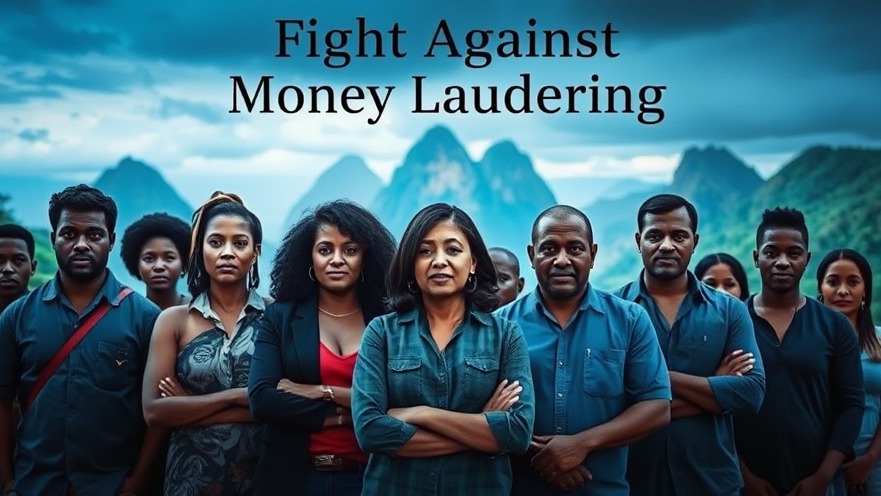
Diverse individuals united against financial crimes in vibrant Saint Lucia.


Understanding Money Laundering Challenges in Saint Lucia

Saint Lucia, a picturesque island in the Caribbean, faces significant challenges in combating money laundering and financial crimes. The nation, known for its citizenship by investment program, has become a hotspot for drug trafficking, funneling illicit funds through its cash-based economy. The 2025 International Narcotics Control Strategy Report (INCSR) sheds critical light on these issues, outlining the strategies and challenges facing the country in 2024.

Primary Sources of Illicit Funds: Drug Trafficking's Impact

Drug trafficking plays a predominant role in generating illicit cash flows in Saint Lucia. The report highlights that in 2024, the government prosecuted only one significant case involving $35,226 linked to money laundering, alongside forfeiture orders amounting to $98,119. This underlines a troubling narrative — despite existing laws like the amended “Proceeds of Crime Act,” enforcement appears hampered by a lack of resources and operational restrictions.

Efforts to Strengthen Financial Oversight

In response to the growing threat of money laundering, law enforcement agencies in Saint Lucia have ramped up their efforts. There is a notable increase in intelligence sharing and domestic operations aimed at strengthening control over financial crimes. However, limitations such as Leahy amendment restrictions challenge collaboration with international partners and hinder comprehensive action against these financial issues.

The Role of Economics in Financial Crimes

Saint Lucia's economy, heavily reliant on cash transactions and its open borders, continues to serve as a conduit for narcotics and money laundering activities. Practices such as structured cash deposits and same-day money transfers make illicit activity easier for criminals. Business transactions can often disguise the nature of these funds, embedding them deeper into the local economy.

Looking Ahead: Opportunities for Improvement

As Saint Lucia strives to overcome these hurdles, there is a pressing need for enhanced regulations and increased international cooperation. By fostering stronger measures and working closely with global partners, the island nation can improve its financial systems and thus fortify its defenses against money laundering.

Saint Lucia's story is one of resilience, underscoring the importance of continued vigilance and collaboration in the fight against financial crimes. Understanding these issues is vital for anyone interested in the complexities of modern economics and governance.


Community

36 Views

0 Comments

Write A Comment

*
*
Related Posts All Posts
11.30.2025

After Hurricane Melissa, DLW Foundation's Relief Efforts Bring Hope to St. Elizabeth

Update A Community United in Crisis In the face of adversity, the spirit of community shines bright, as demonstrated by the DLW Give Back Foundation's swift response to Hurricane Melissa's catastrophic aftermath in St. Elizabeth, Jamaica. The storm, a powerful Category 5 hurricane, struck on October 28, 2025, leaving communities devastated and families in distress. As the waters receded, the DLW Foundation mobilized their resources and connections in mere hours to bring much-needed relief. A Rapid Response to Devastation Co-founder Gurvan Whitely, alongside his team, launched the "Melissa Operation Relief Effort," quickly transforming their compassion into action. Traveling from New York to Jamaica, they coordinated with local volunteers who helped to prepare almost 200 survival packages containing essential non-perishable items. Whitely recounted, "A few hours after we saw the devastation, we started the relief effort." This immediate action showcases not only their dedication but also the power of solidarity among communities. Lessons in Resilience Founded in 2013 in honor of Gurvan's mother, the DLW Foundation draws inspiration from her faith and service. With its roots deeply embedded in St. Elizabeth, the foundation's mission resonates personally with its members, many of whom were directly affected by the storm. Whitely shared his family's experience, saying, “My brother’s house top got blown off clean clean... Yes, we all had relatives affected.” Such personal testimonies highlight the shared hardships that unfold in the wake of natural disasters. The Bigger Picture: Community and Recovery This relief effort mirrors larger initiatives seen across the Caribbean following Hurricane Melissa. Organizations like the Worldwide Foundation for Credit Unions are collaborating to distribute care packages and rebuild essential services. As communities in Jamaica grapple with the destruction, the urgency to deliver aid reflects the resilience of the Caribbean spirit. How You Can Help Support efforts like those of the DLW Foundation and other organizations responding to Hurricane Melissa's aftermath by donating to validated nonprofits helping communities recover. Your support can bring hope and rebuild lives following tragedy. Every contribution counts in easing the burden of those affected.

11.29.2025

Exploring Humor and Heartfelt Lessons: Why Dogs Matter So Much

Update A Playful Take on the Human-Dog Connection In a playful twist of words, the phrase 'doggone it' illustrates not just our frustrations or surprises but also highlights the fondness we have for man's best friend. Often, we find ourselves turning to humor in uncertain moments, much like the anecdote shared by a college student in Canada who mistakenly believed he was being accused of losing a pet. This sentiment transcends borders, touching the collective conscience of dog lovers everywhere. A simple misunderstanding morphed into laughter, showcasing how deeply intertwined our lives are with the animals we cherish. Lessons Learned from Dogs Through tales and jokes, we can gauge the wisdom that dogs provide. Whether it’s the clever anecdotes shared between friends or the thought-provoking reflections from literary figures like Mark Twain, dogs teach us lessons in loyalty, kindness, and simplicity. Twain's observation of the disparity between the loyalty of dogs and the complexity of human interactions perfectly encapsulates the profound bond shared between dogs and their owners. As Twain noted, feeding a hungry dog breeds gratitude and friendship, a refreshing perspective compared to human relationships, which can be fraught with complexity. Humor: A Universal Language Among Dog Owners To further illustrate this connection, funny dog quotes have become a cherished part of our conversations about dogs, often bringing laughter to the simplest situations. For example, one quote humorously describes the dynamic of a dog watching closely as its owner prepares to eat: "Every snack you make, every meal you bake, every bite you take, I’ll be watching you." With such sentiments, dog lovers can find common ground, celebrating the quirks and characteristics that make each dog special. The Joy of Shared Experiences Outdoor adventures with dogs can also strengthen community bonds. From training sessions in local parks to informal dog meetups, there’s an undeniable joy in watching dogs interact. These events are often a melting pot of experiences and advice exchanged among fellow dog owners, establishing connections that are often just as significant as the relationships we maintain with our friends and family. Famous humorist, Groucho Marx, once quipped that 'outside of a dog, books are a man’s best friend,' illustrating the pure companionship found in pet ownership. Each situation becomes a humorous anecdote, building a repertoire of shared experiences that enrich our lives. Finding Serenity and Happiness with Our Dogs Ultimately, dogs serve not only as companions but as key contributors to our emotional wellbeing. They provide solace during challenging times, demonstrating an unyielding bond that fosters happiness. As we navigate through life’s complexities, the simplicity of a dog’s perspective—living for the moment and finding joy in the everyday—reminds us to appreciate the little things. Whether through laughter inspired by witty quotes or the warmth and comfort dogs give, one thing is clear: our canine companions are more than just pets; they are integral to our happiness. This uplifting perspective on the relationship we share with dogs urges us to appreciate their unfiltered love and the lessons they teach about loyalty, joy, and friendship. So the next time you hear someone say ‘doggone it,’ remember that it’s not merely an expression; it’s a testament to the reality that our lives are enriched because of these lovable companions.

11.28.2025

How Social Capital and Community Support can Transform Poverty Measurement

Update The Importance of Community in Understanding Poverty When we think about poverty, we often focus on numbers—income levels, unemployment rates, and access to education or healthcare. However, the measurement of poverty in many societies can be greatly enhanced by understanding the role of communities and social capital. Communities play a pivotal role in how individuals navigate economic hardships, providing support systems that often go unrecognized in traditional poverty metrics. What is Social Capital? Social capital refers to the networks, relationships, and norms that enable individuals and groups to work together effectively. It includes trust, mutual understanding, shared values, and social networks that can access needed resources. In developing nations, where formal financial systems are often lacking, social capital becomes even more critical. It serves as a lifeline for those facing financial adversity. Community Support: A Lifeline in Adversity Communities have historically rallied together to provide support during tough times. This collective effort is evident in the bayanihan spirit of the Philippines, where community members help one another in times of need. Similar practices exist across different cultures—like harambee in Kenya and ujamaa in Tanzania—illustrating how social networks can mobilize resources for community improvement, especially in impoverished areas. The Role of Traditional Metrics in Poverty Measurement While many countries use metrics like the At Risk of Poverty and Social Exclusion (AROPE) Index to gauge poverty, these assessments often miss the elusive yet impactful social capital that communities provide. The socioeconomic data collected typically emphasizes formal systems and overlooks informal networks that are vital for survival in many developing nations. Why Social Capital Matters in Policy Making Policymakers must consider the integral role of social capital when devising strategies for poverty alleviation. Ignoring these informal systems can lead to ineffective interventions. For instance, the emphasis on educational and healthcare improvements should be accompanied by support for stronger community networks that foster social cohesion and resilience. An example from Vietnam illustrates that while access to healthcare services improved, a lack of emphasis on community-level resources hindered overall poverty reduction efforts. Future Predictions and Trends in Poverty Alleviation As we move forward, the need for data that captures the quality and quantity of social capital in poverty measurements will become increasingly clear. This will not only benefit policymakers but also empower local communities by providing them with recognition and tools needed to bolster their initiatives. By creating systems that support these communal interactions, we can improve the efficacy of poverty alleviation programs significantly. Key Takeaways and Actions for Change Understanding the nuanced definition of poverty through the lens of community support and social capital highlights how critical it is to adapt our frameworks. Individuals and communities should advocate for inclusive policies that consider social networks, as well as economic facts, as primary elements in addressing poverty. This dual approach is essential for creating effective, sustainable interventions that offer hope and resilience to the underserved. The future of poverty measurement must embrace social dynamics, emphasizing the importance of community resources and informal support systems. Recognizing these will not only improve policies but also lead to identifying more effective ways to uplift entire communities.

Terms of Service

Privacy Policy

Core Modal Title

Sorry, no results found

You Might Find These Articles Interesting

T
Please Check Your Email
We Will Be Following Up Shortly
*
*
*